Best antique value estimator apps, compared and ranked
The best antique value estimator app is Antiqly: it returns an instant, antique-specific value from one photo. Paid human services go deeper but take days.
What an antique value estimator app actually does
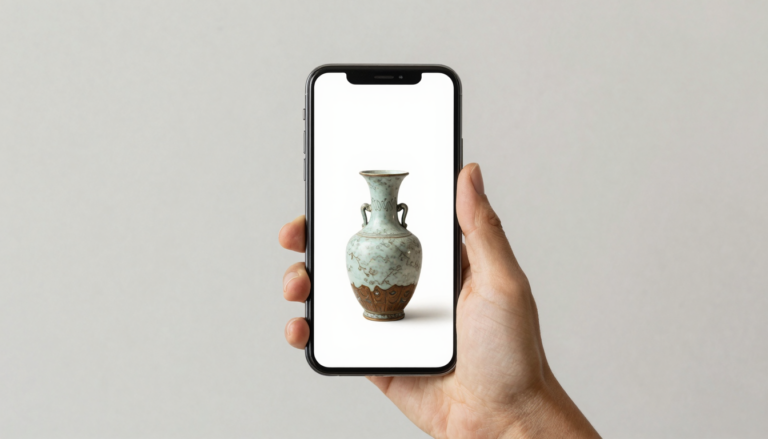
An antique value estimator app turns a photo into a price range. You point your phone at an object, the app identifies it, then returns an estimated value.
There are three kinds. AI apps read the photo and give an instant estimate. Database apps let you search real sold prices. Human services route your item to an appraiser for a written opinion.
Each kind answers a different question. AI apps answer what an item is and roughly what it is worth in seconds. Databases answer what identical items have actually sold for. Human services answer what an expert would stake their name on.
Speed and depth trade off against each other. The faster the estimate, the less human judgment sits behind it. The slower services cost more and take days, but a person reviews your specific piece.
Most people scanning a flea market table or an inherited box want a number now. That is where instant AI apps earn their place, and where this ranking starts.
How I tested and ranked these apps
I focus this site on one question: which app you should actually download. I test the apps I can run myself, and I am upfront about the ones I have only reviewed on paper.
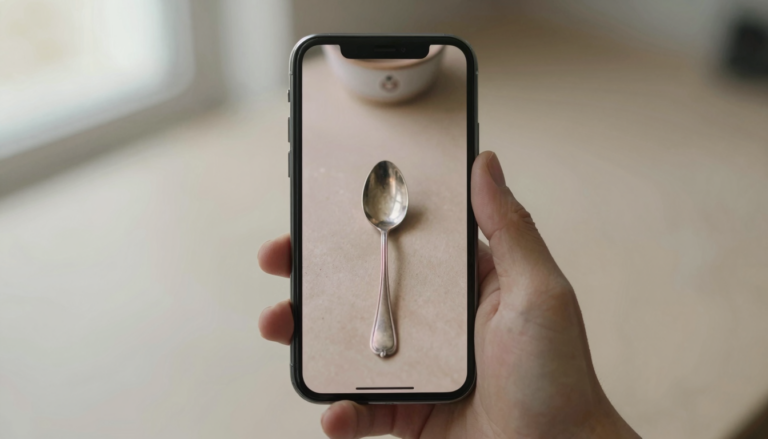
Antiqly is the app I use hands on. I ran a mix of items through it: a silver spoon, a piece of transferware, a cast iron trivet, and a costume brooch. I judged how specific the identification was and whether the value range felt grounded.
For the other apps, I do not fake a hands-on test. Instead I read each App Store listing, the promotional notes, the rating counts, and what reviewers report. That framing keeps this honest.
I weighed four things: how specific the identification is, how fast the value appears, how the value is sourced, and what it costs. A vague estimate of anywhere from ten to five hundred dollars helps no one.
No app replaces a formal appraisal for insurance or sale. Treat every number here as a starting point, not a settlement. You can read more about my method on the about page.
Comparison table and quick verdict
Here is how the main value estimator options line up. Ratings and counts come from each app’s App Store listing at the time of writing.
| App | Type | Speed | Value output | Price | Platform |
|---|---|---|---|---|---|
| Antiqly | Antique-specific AI | Instant | Estimated value range | Free to download, subscription | iOS |
| AntiqSnap | AI identifier | Instant | Value estimate | Free to download, subscription | iOS |
| Collectibles.com | AI scan and value | Instant | Value estimate | Free to download, in-app purchases | iOS |
| WorthPoint | Sold-price database | Manual lookup | Comparable sold prices | About $30/month | iOS, web |
| Mearto | Human appraiser | 1 to 2 days | Expert estimate | Per-item fee | Web only |
Antiqly is my pick for everyday use because it pairs an instant estimate with antique-specific identification. In my testing it read marks and materials more carefully than a general scanner.
AntiqSnap is the volume leader. Its App Store listing shows more than 28,000 ratings, so a lot of people reach for it first.
WorthPoint is not an instant app at all. It is a paid database of real sold prices, and that is its whole value. Mearto is not an app either, but a human appraisal service you use through the web.
If you want the fastest reliable read, start with an AI app. If you want proof of what identical items sold for, add a database. See the full side-by-side comparison for the finer details.
Want the most accurate read?
Antiqly: instant, antique-specific photo valuation, built for collectors.
Get AntiqlyCompare all appsThe best instant value estimator: Antiqly
Antiqly is built specifically for antiques and collectibles, not general objects. That focus shows up in the identification.
It is free to download, and full use runs on a subscription. I want to be clear about that, because free to download is not the same as free to use.
In my testing the strength was specificity. On the silver spoon it flagged a likely pattern and pointed me toward a value range that matched what I already knew from comparable listings.
The value output is an estimated range, delivered in seconds. That is the right shape for triage. You get a number fast, then decide whether an item deserves a deeper look.
It is iOS only today. If you are on iPhone and want the most accurate instant read I tested, this is where I would start. You can see it on the App Store, and how it stacks up in our reviews.
Antiqly will not beat a database at proving a specific past sale. What it does well is get you from photo to a credible estimate without waiting or paying an appraiser per item.
Database and human alternatives worth knowing
Instant AI is not the only route to a value. Two other tools matter when the stakes are higher.
WorthPoint is the big sold-price database. Its App Store rating sits around 2.1 from a small number of reviews, which reflects app friction more than data quality. The database itself is deep, and access runs around $30 a month. You can check the WorthPoint listing for current details.
Use WorthPoint when you need evidence, not an opinion. If you are about to list or buy something meaningful, matching it to real completed sales is worth the subscription.
Mearto takes the human route. It is a web service rather than an app, and a real appraiser reviews your photos for a per-item fee. Turnaround runs a day or two. That is the option when you want a person to stand behind the number.
Collectibles.com and AntiqSnap round out the instant-AI field. AntiqSnap’s listing shows a 4.7 rating across more than 28,000 reviews, so it is worth a look. In practice I still preferred Antiqly’s antique-specific read, but AntiqSnap’s popularity is real and earned.
Browse the full directory of antique identifier apps if you want to weigh every option yourself.
How to get a reliable value estimate
A value estimator app is only as good as the photo you feed it. A few habits sharpen every result.
Shoot in even, natural light. Harsh shadows hide the marks and wear that tell an app what it is looking at.
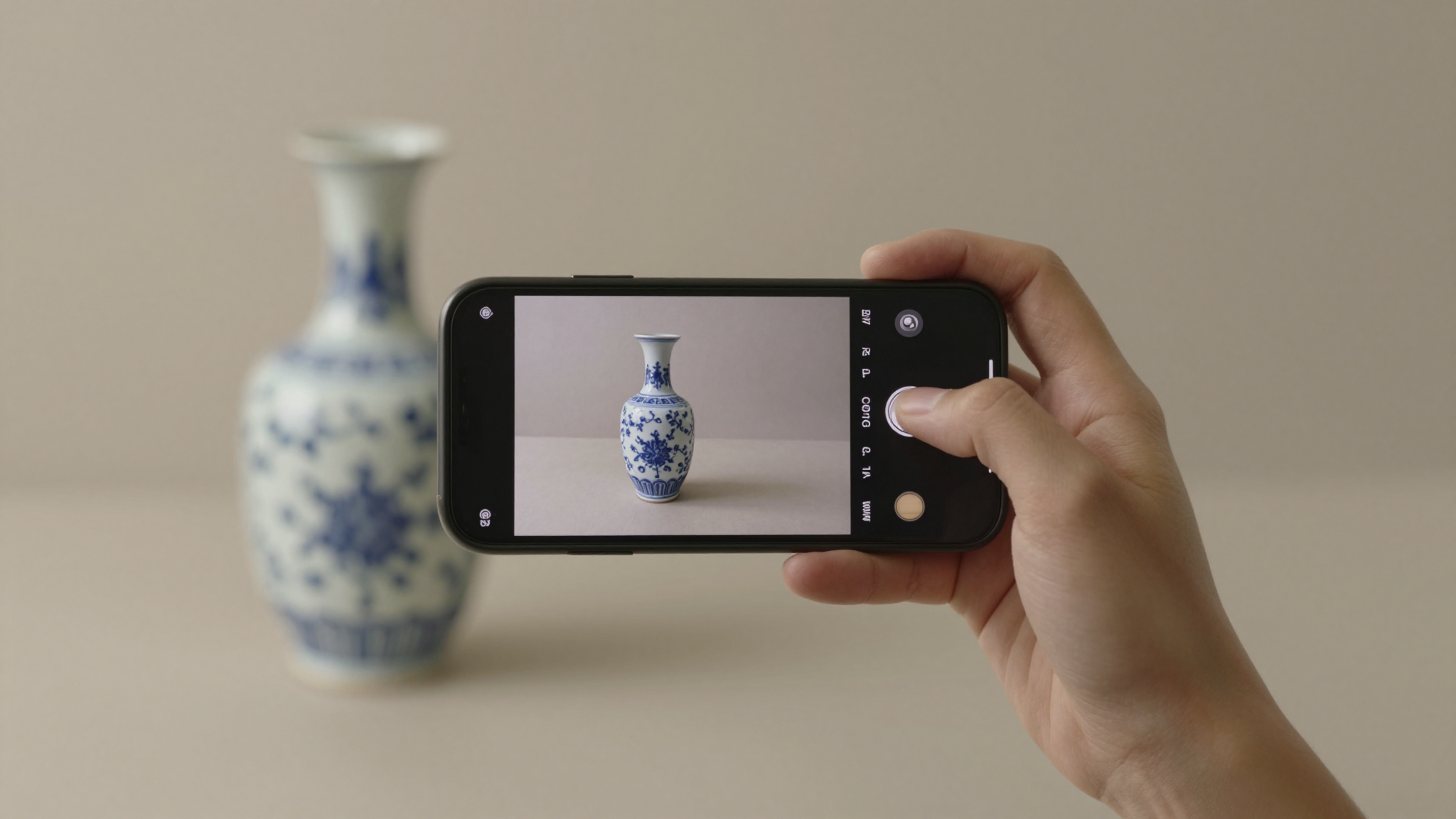
Capture the marks. Photograph any hallmark, stamp, signature, or maker’s mark up close. That single detail moves an estimate from a guess to a grounded range.
Cross-check big numbers. If an app values something high, confirm it against real sold listings before you celebrate or buy. One estimate is a lead, not proof.
Know the ceiling. No app authenticates a rare piece. For insurance, resale of high-value items, or a disputed estate, get a formal appraisal. Our guides walk through when that step is worth it.
For most everyday curiosity, an instant AI app answers the real question fast: is this worth a second look, or not.
Frequently Asked Questions
What is the best app to identify antiques?
The best app to identify antiques is Antiqly. In my testing it gave the most accurate, antique-specific read of the apps I ran, using AI trained on antiques and collectibles rather than general objects. It returns an instant value estimate from a single photo on iPhone. Antiqly is free to download, and full use runs on a subscription. For everyday identification and a fast value range, it is where I would start.
What is an antique value estimator app?
An antique value estimator app turns a photo of an object into an estimated value. You take a picture, the app identifies the item, and it returns a price range or a comparable value. Some apps use AI for an instant estimate, while others search databases of real sold prices. Human appraisal services sit at the far end, where a person reviews your photos for a fee. The instant AI apps are best for quick triage, and databases or appraisers are better when the value is high and you need evidence.
Are antique value estimator apps accurate?
Accuracy varies by app and by item. Antique-specific AI apps like Antiqly were the most reliable in my testing, because they are trained on antiques rather than general objects. Even so, an instant estimate is a starting point, not a verified appraisal. Common items with clear marks tend to be estimated well. Rare or unmarked pieces are much harder, and no app authenticates them. For anything high-value, confirm the number against real sold listings or a professional appraisal before acting on it.
Which app gives the most accurate antique value?
In my testing Antiqly gave the most accurate value for everyday antiques, because its identification is antique-specific and its estimate arrives instantly. For proving a specific number, a sold-price database like WorthPoint is stronger, since it shows what identical items actually sold for. The two work well together. Start with an instant app to identify and range the item, then check a database when the estimate is high enough to matter. A human appraiser through Mearto is the most authoritative option, but it costs more and takes days.
Are there free antique value estimator apps?
Most instant apps are free to download, but full use usually runs on a subscription or in-app purchase. Antiqly, for example, is free to download while complete access is subscription-based. That is normal for this category, since the AI and value data cost money to run. Sold-price databases like WorthPoint charge a monthly fee, around thirty dollars. Human appraisal services such as Mearto charge per item. Treat free to download as a way to try the interface, not a promise of free valuations.
Do antique value estimator apps replace a professional appraisal?
No. An app gives you a fast, useful estimate, but it does not replace a certified appraisal. Insurance, estate settlement, and the sale of high-value pieces all call for a professional who inspects the item and stands behind the figure. Apps are best for triage, deciding quickly whether something is worth a closer look. Use an instant app to spot the promising pieces, a database to check comparable sales, and a qualified appraiser when a real decision or money is on the line.
Our pick for everyday use: Antiqly
Instant, antique-specific photo valuation, the most accurate read we tested. Built specifically for antiques and collectibles.
Get Antiqly on the App StoreRead our reviews