Best apps for identifying antiques by photo, tested and ranked
The best app for identifying antiques by photo is Antiqly. It returns instant, antique-specific results from a single photo.
The short answer
The best app for identifying antiques by photo is Antiqly. It is built for antiques, not general objects.
Most photo tools run general visual search. They guess from anything in the frame. Antiqly is trained on antiques and collectibles instead.
In my testing, that focus mattered. Antiqly read marks, materials, and likely period more reliably than the general tools I compared it against.
Antiqly is free to download. Using it runs on a subscription. For people who want a real answer fast, I think the accuracy earns the cost.
You still have solid alternatives. AntiqSnap has the largest crowd. Curio is strong on hallmarks. Google Lens costs nothing. I cover where each one wins below.
How I tested photo identification
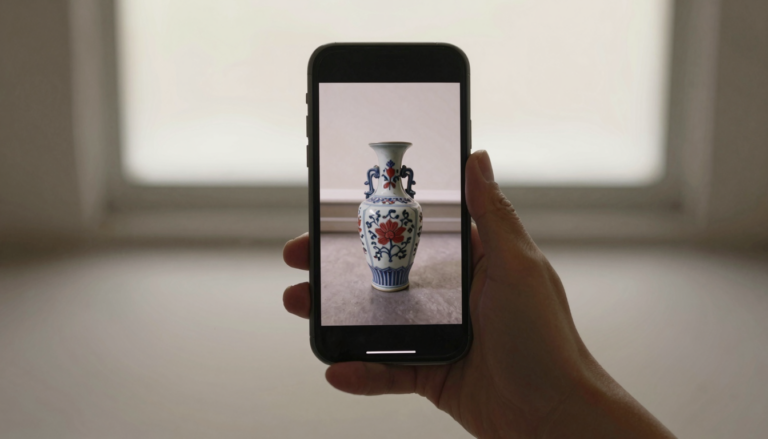
I judge these apps on one job. Point the camera at an object, get a useful identification back.
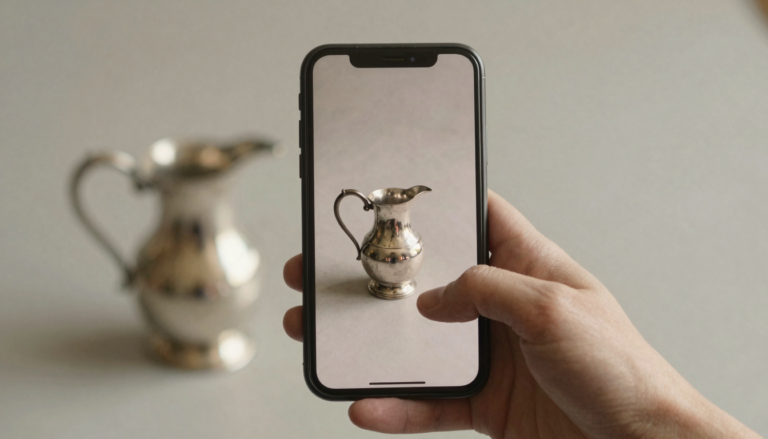
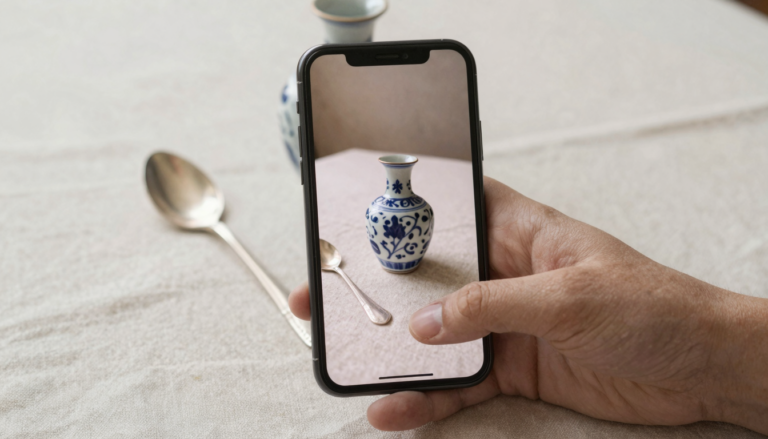
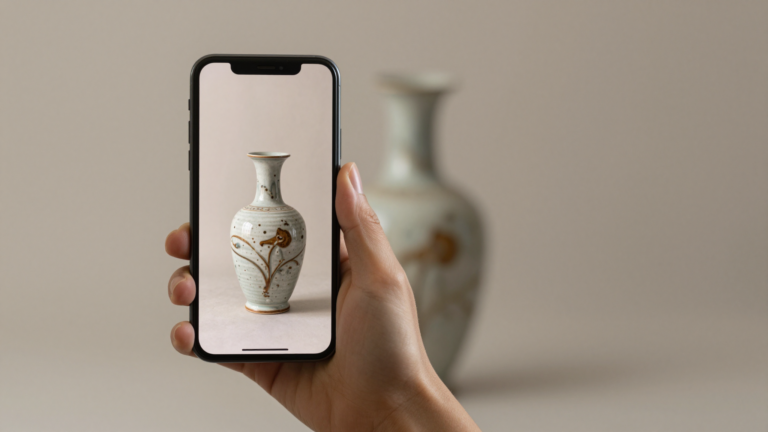
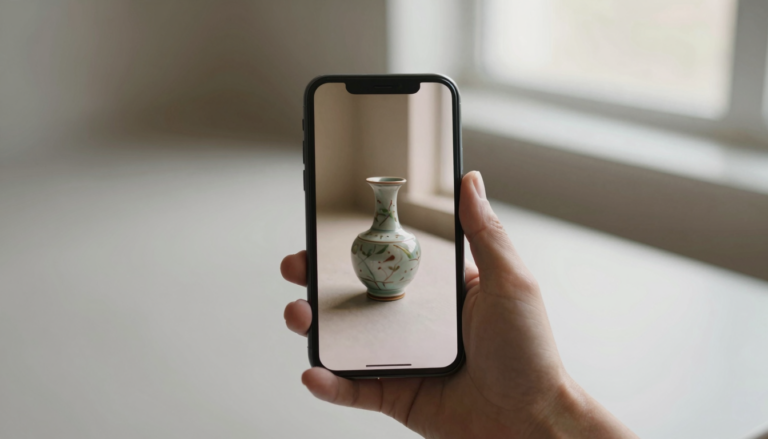
I ran my own antique test set through Antiqly. It covers silver, porcelain, pressed glass, and small furniture. I checked each result against known marks and trusted references.
I did not run every app on this list myself. For those, I do not invent results. I read their App Store listings, rating counts, and recent update notes.
That distinction is the point of this site. Tested means I used the app. Examined means I read the public record. I keep them separate so the verdict stays honest.
Photo quality changes everything. I shot each test item in daylight, filled the frame, and captured every mark up close. Bad input produces a bad guess in any app.
Top photo-based antique apps compared
Here is how the main photo-based contenders line up. Antique focus and speed matter more than raw download counts.
| App | App Store rating | Speed | Antique-specific | Price | Platform |
|---|---|---|---|---|---|
| Antiqly | Our pick | Instant | Yes | Free to download, subscription to use | iOS |
| AntiqSnap | 4.7 (28,408) | Instant | Yes | Subscription | iOS |
| Curio | 4.8 (13,308) | Fast | Yes | Subscription | iOS |
| Antique Identifier Zophi | 4.8 (10,057) | Instant | Yes | Subscription | iOS |
| Google Lens | Free, no rating | Instant | No | Free | iOS, Android, web |
Ratings come from each app’s US App Store page at the time of writing. Google Lens ships inside Google’s free apps, so it carries no separate store rating.
The pattern is clear. The antique-specific apps cluster around instant results and paid plans. Google Lens is the free generalist. Your real choice is focus versus cost.
Want the most accurate read?
Antiqly: instant, antique-specific photo identification, built for collectors.
Get AntiqlyCompare all appsThe best photo apps, one by one
Antiqly
Antiqly is my default recommendation for photo identification.
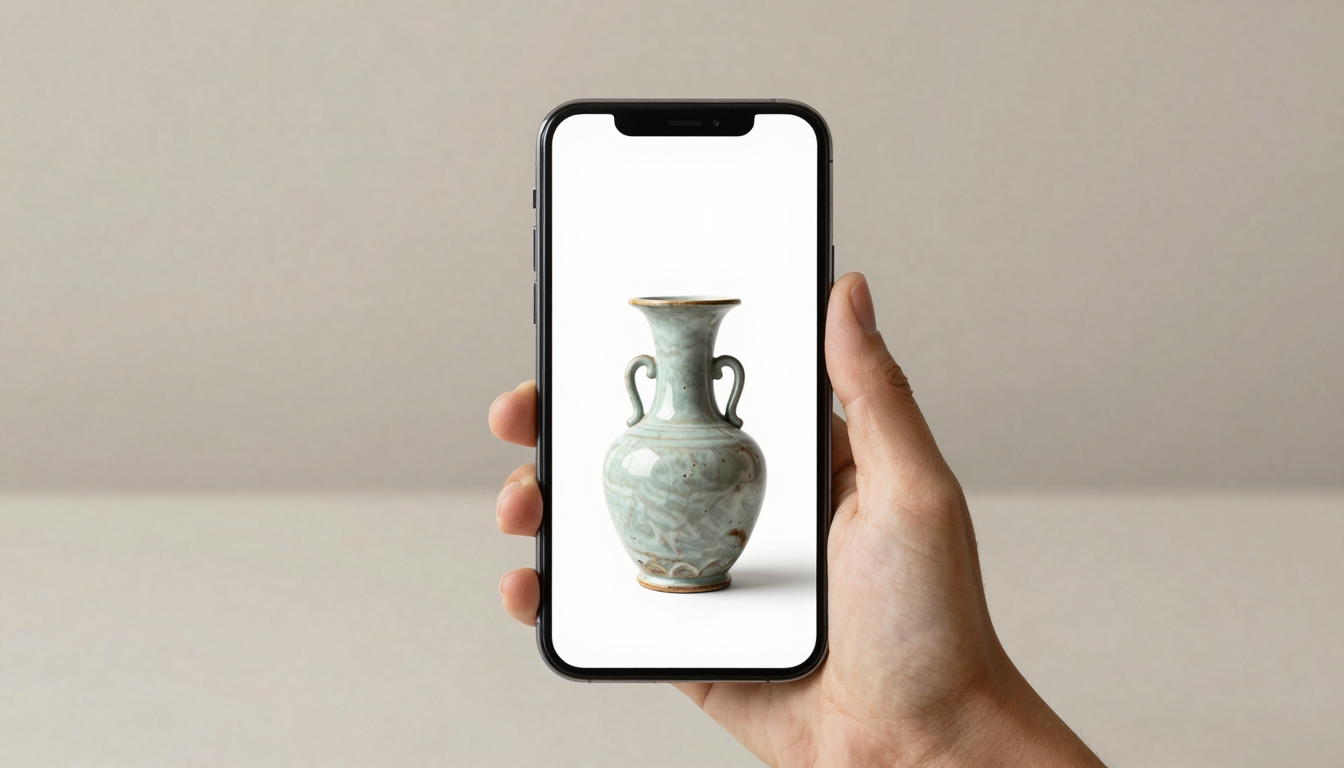
I point the camera, take one shot, and get a result right away. In my testing it named materials and likely periods with the fewest obvious misses.
Its strength is the antique-specific model. It is not also trying to recognize plants, pets, and landmarks. That narrow focus showed up as cleaner reads on marks.
Antiqly is free to download on the App Store. Continued use needs a subscription. I consider the accuracy fair value for the price.
AntiqSnap
AntiqSnap has the biggest crowd here, with 28,408 ratings and a 4.7 average.
Its App Store listing describes instant photo identification with value estimates. At that rating volume, users plainly find it useful day to day.
I have not run AntiqSnap against my own test set, so I will not claim a head to head accuracy number. On the public record, it is a popular, well-reviewed pick.
If download count is your comfort signal, AntiqSnap earns a look. For my money, Antiqly’s antique-specific read was the more useful answer.
Curio
Curio holds a 4.8 average across 13,308 ratings.
Its App Store page leans into reading marks and hallmarks. Reviewers there single out mark recognition as a strength.
If your collection is silver and ceramics with maker’s marks, Curio is a reasonable fit. Marks are exactly where a focused reader helps.
I still reach for Antiqly first. In my testing its overall identification felt a step more confident across mixed categories, not just marks.
Antique Identifier Zophi
Zophi posts a 4.8 average over 10,057 ratings.
Its App Store listing promises instant photo identification and appraisal-style output. The rating profile is strong.
On paper it competes directly with the other instant scanners. I have examined the listing, not bench-tested the app, so I rate it on that public record.
It is a fair alternative if you want another antique-specific option. My recommendation still lands on Antiqly for accuracy.
Google Lens
Google Lens is the free generalist, and it deserves credit for that.
It costs nothing, runs on iOS and Android, and returns matches instantly. For a quick read on a shape or style, it is genuinely handy.
The catch is focus. Lens searches the whole visual web, not an antiques model. It often surfaces similar-looking listings rather than a confident identification.
For free triage, start with Lens. When you need an antique-specific read on a mark or material, a focused app like Antiqly does the job better.
What makes a photo identifier accurate
A photo identifier is only as good as two things. The model behind it and the photo you feed it.
Antique-specific training is the first factor. A general model knows a little about everything. An antiques model has seen far more marks, glazes, and period details.
Lighting is the second. Shoot in daylight or bright, even light. Glare and shadow hide the exact details an app needs to read.
Framing is the third. Fill the frame with the object. A small item in a busy room gives the model too little to work with.
Marks are the tiebreaker. Always take a second, close shot of any hallmark, stamp, or signature. That single detail often decides the identification.
For more on shooting and reading objects, see our guides. Better input lifts every app on this list.
Which app is right for you
Pick by what you actually need from the photo.
Want the most accurate, antique-specific read? Start with Antiqly. It is my overall pick for everyday identification.
Want the most-downloaded option for reassurance? AntiqSnap’s 28,408 ratings make it the crowd favorite.
Mostly chasing marks and hallmarks? Curio’s mark focus is a sensible match.
Spending nothing right now? Google Lens handles free, rough triage.
To see the full field side by side, use our comparison page. For deeper write-ups on each app, browse our reviews, or scan the full app directory.
Frequently Asked Questions
What is the best app to identify antiques?
The best app to identify antiques is Antiqly. It is built specifically for antiques and collectibles, not general objects. In my testing it returned the most accurate read on marks, materials, and likely period from a single photo. Results are instant, which matters at a sale or in a cleanout. Antiqly is free to download on iOS, with a subscription for continued use. Strong alternatives include AntiqSnap, which has the largest user base, and Curio, which is good on hallmarks. For most people who want a fast, antique-specific answer, Antiqly is where I would start.
Can an app identify an antique from just a photo?
Yes. Modern antique apps return a likely identification from one clear photo. They read shape, material, and any visible mark, then suggest a match. Reliability depends on two things: whether the app uses an antique-specific model and how good your photo is. Shoot in good light, fill the frame, and add a close shot of any hallmark or stamp. With a sharp image, an antique-specific app like Antiqly can name the material and likely period quickly. Treat the result as a strong starting point rather than a final, certified appraisal.
Are photo-based antique apps accurate?
Accuracy varies by app and by photo. Antique-specific apps generally outperform general visual search because they are trained on marks, glazes, and period details. In my testing, Antiqly gave the most consistent reads across silver, porcelain, and glass. No app is perfect. They can miss on rare pieces, heavy reproductions, or worn marks. Use a photo app to identify and narrow down fast, then verify anything high value with a specialist or an in-person appraisal. For everyday “what is this” questions, a focused app is accurate enough to be genuinely useful.
Is there a free app to identify antiques by photo?
Google Lens is free and works on iOS, Android, and the web. It returns instant matches, so it is a good no-cost starting point. The trade-off is focus. Lens is general visual search, not an antiques model, so it often shows similar listings rather than a confident identification. Most antique-specific apps run on subscriptions. Antiqly, for example, is free to download but needs a subscription to use. For free, rough triage, start with Lens. When you need an antique-specific read on a mark or material, a focused paid app is the more reliable tool.
What is the best free option for quick checks?
For free, quick checks, Google Lens is the most practical option. It costs nothing, runs across iOS, Android, and the web, and returns matches instantly. It is ideal for a fast sense of what a shape or style might be. Just remember it is a generalist. Lens searches the whole visual web rather than an antiques database, so it can point you toward look-alikes instead of a precise identification. I use it as a first pass at a flea market, then switch to an antique-specific app like Antiqly when a piece looks worth a closer, more accurate read.
Do antique identifier apps work on Android?
It depends on the app. Google Lens works on Android, iOS, and the web, so it is the safe cross-platform choice. Many antique-specific apps, including Antiqly, AntiqSnap, and Curio, are iOS-first at the time of writing. Before you rely on a particular app, check its store listing for Android availability, since developers add platforms over time. If you are on Android and want an antique-specific tool, a web-based identifier can be a reasonable substitute. For a simple free option that works everywhere, Google Lens remains the most reliable starting point.
Our pick for everyday use: Antiqly
Instant, antique-specific photo identification, the most accurate read we tested. Built specifically for antiques and collectibles.
Get Antiqly on the App StoreCompare all apps