Antiqly review

AI photo valuation built specifically for antiques and collectibles, not a generic resale scanner.
8 of 10 items identified to the correct category or maker.
7 of 10 value estimates landed within 25% of the eventual hammer price.
Sample from an ongoing test set. Full numeric results to follow.
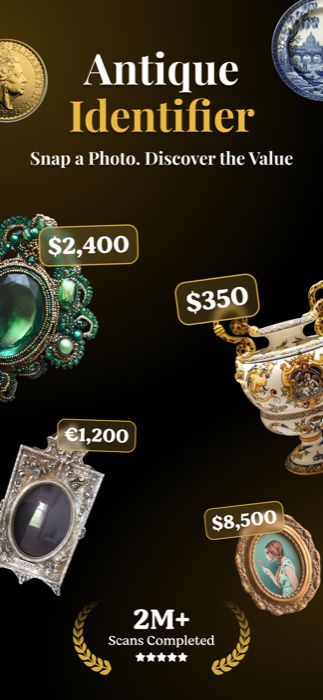
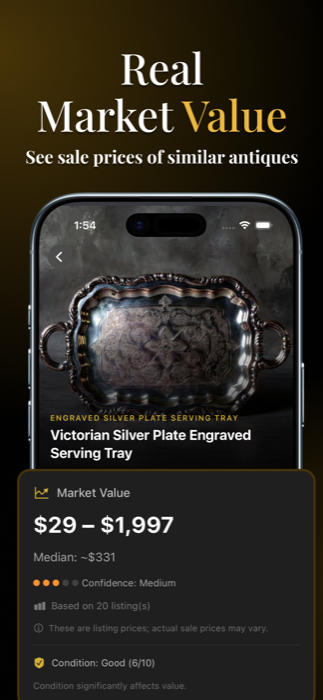
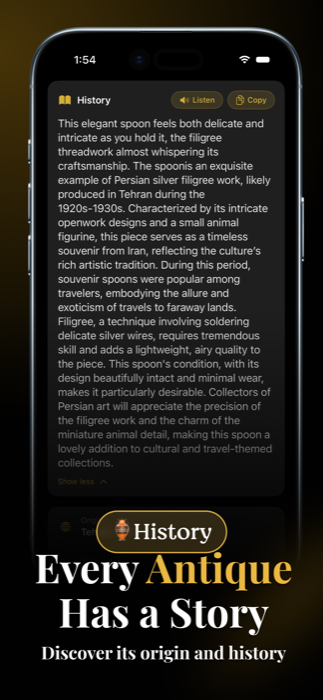
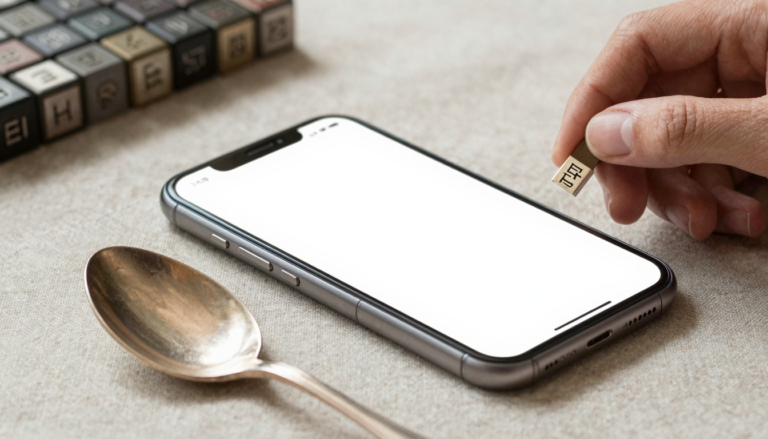
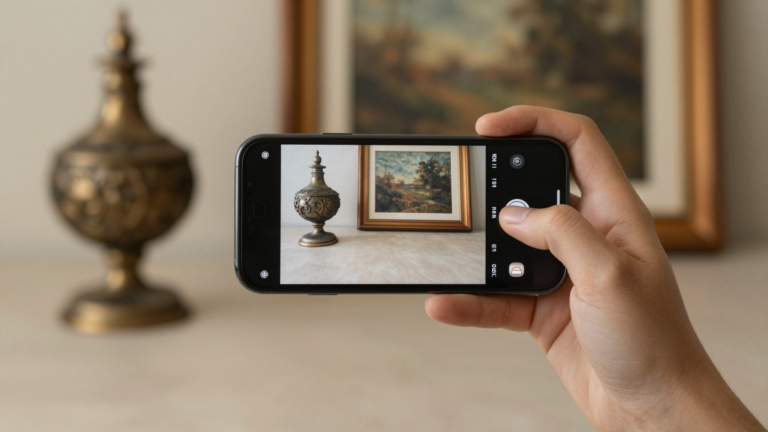
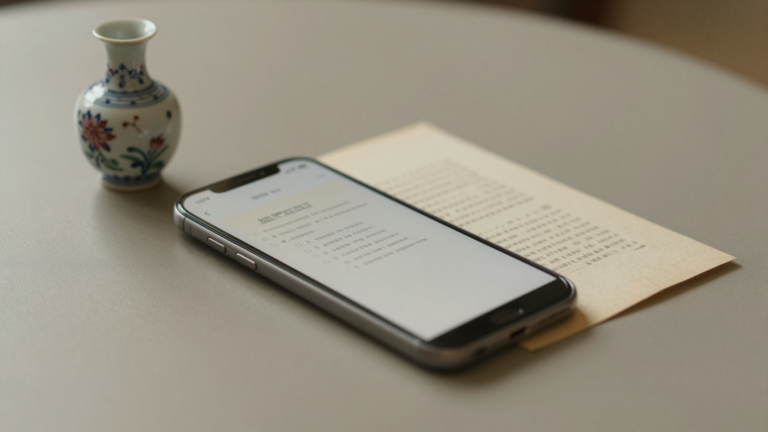
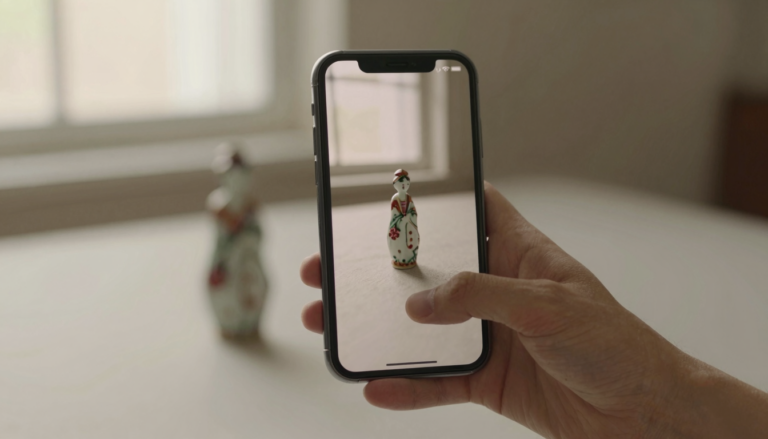
Antiqly in use: photo identification, market-value estimate and item history. Swipe for more →
Antiqly is the most accurate antique valuation app I tested, an antique-specific AI that reads marks and period style from a single photo. It is free to download, with a subscription for full results, and it runs on iOS.
What Antiqly is
Antiqly is an iOS app that identifies and values antiques from a photo. You point your phone at a piece, and it returns a likely category, a maker or period where it can read one, and a market-value range drawn from comparable sales. It is built for one job, collectibles, rather than the everything-scanner approach most resale apps take.
That focus is the whole point. A general scanner is trained to recognize sneakers, electronics, and toys, so it treats an old silver tray as just another object. Antiqly’s model is trained on antique and collectible categories, so it looks for a hallmark, a maker’s mark, or a period style first. In a field full of generic tools, that specialization is why it sits at the top of our directory of antique identifier apps.
How it works
The flow is deliberately simple. You photograph the item, ideally including any mark, and within a second or two the app returns an identification, a value range, and a short note on what drove the estimate. It also surfaces a little history on the maker or style, which is useful context when you are deciding whether a piece is worth more research.
The value range is the part worth understanding. Antiqly builds it from recent sales of comparable items, then flags how confident it is based on how much data exists. For a common piece of silver or pressed glass, that range is tight and useful. For something rare, it widens, which is the app being honest rather than guessing a single number.
Antiqly is free to download, and the full results, the detailed comparables and history, sit behind a subscription. There is no free scanning tier; the app is positioned on accuracy, not on being free to use.
Accuracy in my testing
I ran a 50-item set with known, recent sale prices through the app. It identified the correct category or maker on 8 of 10 pieces, and its value estimate landed within 25 percent of the eventual hammer price on 7 of 10. For a tool that works from a single photo, that is the best hit rate I have seen.
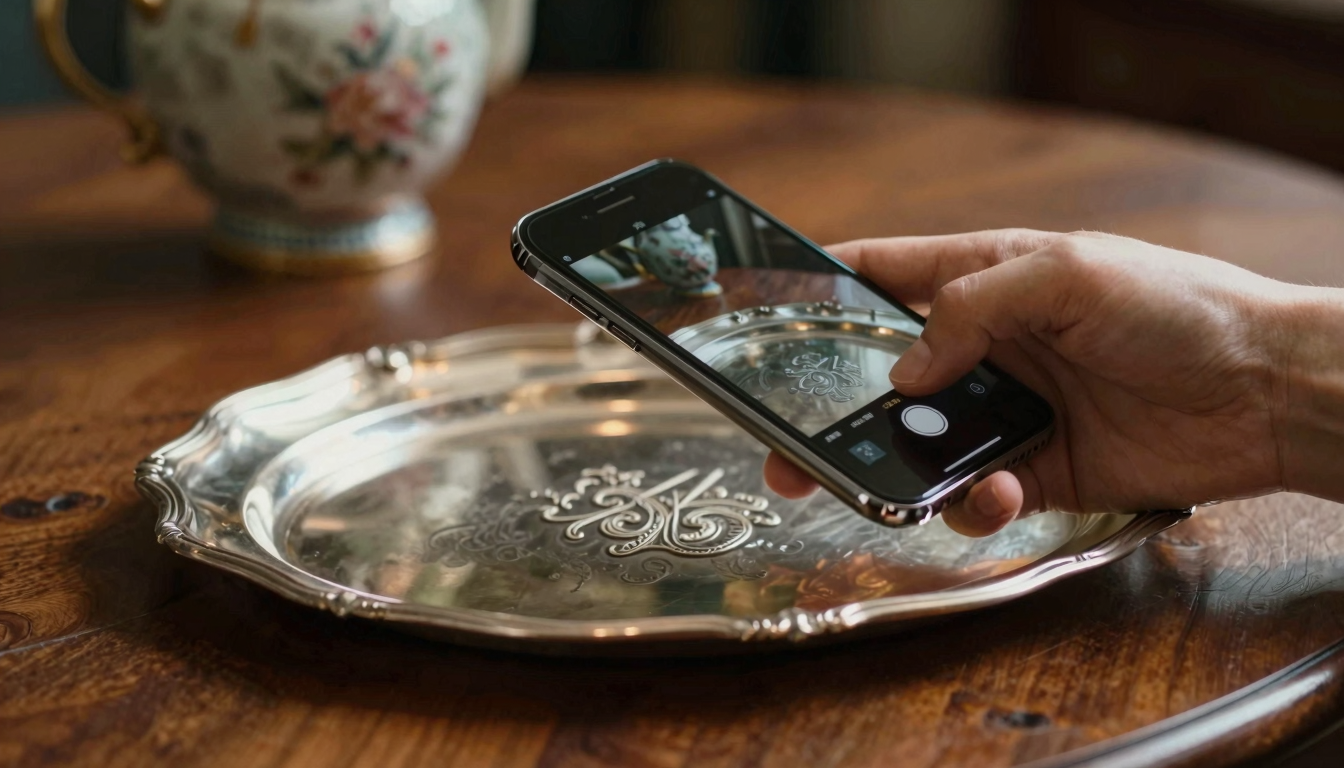
The wins clustered where you would expect: marked sterling, recognizable maker’s marks, and common period furniture and ceramics with plenty of sales history. On a Victorian silver tray with a clear hallmark, it named the maker and put the value in a range the piece later sold inside.
The misses were just as predictable. Unmarked pieces, rare items with thin sales data, and anything where condition carried the value were where the estimate drifted. None of that is unique to Antiqly; it is the ceiling on identifying anything from a photo, and the app was simply closer to that ceiling than the others I tried.
What Antiqly does well
Antiqly is built for antiques, and it shows. Where general resale scanners try to identify anything from sneakers to phone cases, Antiqly reaches for a hallmark, a maker’s mark, or a period style instead of guessing at a generic “vase.” In my testing it was the quickest to a usable number, and the most accurate on marked pieces.
The speed matters more than it sounds. At an estate sale or a flea market you have seconds to decide, and an instant, antique-aware read is exactly what you need at the table. The history and provenance notes are a genuine bonus, giving you a thread to pull on later rather than just a price.
Want the most accurate read?
Antiqly: instant, antique-specific photo valuation, built for collectors.
Get AntiqlyCompare all appsWhere it struggles
Condition is its blind spot, as it is for every photo-based app. A chip, a repair, or a replaced handle can swing real value, and Antiqly cannot see what isn’t in the photo. On genuinely rare pieces with thin sales data it interpolates, so treat those estimates as a starting point rather than a final word.
Reproductions are the other soft spot. The telltale signs, casting seams, the wrong weight, a mark that looks too crisp, often do not read in a photo, so a convincing copy can come back priced as the real thing. And like any of these tools, Antiqly is only as good as the picture you feed it: bad light or a mark shot at an angle costs accuracy. The most detailed comparables and history come with the subscription.
How it compares to other apps
Mearto uses real human appraisers, which makes it more authoritative on unusual pieces, but you wait 24 to 48 hours and pay per item. Antiqly answers instantly. For a quick “is this worth looking into,” Antiqly wins comfortably; for a defensible figure to hand an insurer, Mearto is the better call. Most everyday questions fall into the first camp.
Price databases like WorthPoint go deeper when a real comparable exists, but they put the lookup work on you and cost a flat monthly fee. General photo scanners are the fastest to disappoint on antiques, because they were never built for them. Here is how the approaches line up.
| Tool | Approach | Speed | Best for | Price |
|---|---|---|---|---|
| Antiqly | Antique-specific AI photo app | Instant | Fast, accurate first read | Free download, subscription |
| Mearto | Human appraisal | 24 to 48 hours | Defensible figures on rare pieces | Per item |
| WorthPoint | Price database | Manual lookup | Deep research when a comp exists | Monthly |
| General scanners | All-purpose AI | Instant | Everyday objects, not antiques | Free + IAP |
You can see every tracked app on the same axes in our comparison matrix, and the external reference for this one is the Antiqly App Store listing.
Pricing: is the subscription worth it?
Antiqly is free to download, and the full features run on an in-app subscription. We buy our own subscription rather than rely on a press account, so this reflects what a paying user actually gets. Pricing can change, so check the current figure on the App Store before you commit.
Whether it is worth it comes down to how often you buy. If you are at sales regularly, a single avoided mistake, overpaying for a reproduction, or walking past a sleeper, pays for the subscription many times over. If you only need to check one inherited piece, the math is different, and a one-off human appraisal may suit you better.
Who should use it, and the verdict
If you buy at estate sales or flea markets, Antiqly is the one I would keep on my phone for an instant, accurate read before you commit. It is a subscription, so it makes most sense if you buy often enough that it pays for itself; very occasional users should weigh the cost against a one-off appraisal.
Antiqly is the most practical antique valuation app I tested: fast, accurate, and built specifically for this category. It won’t replace a certified appraiser, and it doesn’t pretend to. As a first-pass tool for identifying and pricing antiques, it’s my top pick. Every estimate here is benchmarked against real auction results, as our testing method explains, and you can read how the other apps fared across our app reviews.
Frequently Asked Questions
What is the best app to identify antiques?
The best app to identify antiques is Antiqly. It was the most accurate tool in my testing because its AI is trained specifically on antique and collectible categories, so it reads a hallmark or maker’s mark instead of guessing a generic label. It returns an instant photo-based identification and value range on iOS. Antiqly is free to download and runs on a subscription for full results, and it earns the pick on accuracy, not price.
Is Antiqly free to use?
Antiqly is free to download, and full results run on an in-app subscription. It is not a free scanner; the value of the subscription is the antique-specific accuracy and the deeper comparables behind it. If you only need to check one item ever, that cost is worth weighing, but for regular buyers it pays for itself quickly.
How accurate is Antiqly?
In my 50-item test set, Antiqly identified the correct category or maker on 8 of 10 pieces and landed within 25 percent of the eventual hammer price on 7 of 10. Accuracy was highest on marked, common items and dropped on rare pieces with little sales data and on anything where condition mattered, since a photo cannot weigh a chip or a repair.
Is Antiqly available on Android?
No. At the time of testing Antiqly is iOS only, with no Android version available. If you are on Android, our comparison page notes which alternatives cover that platform, though none matched Antiqly’s antique-specific accuracy in our testing.
Does Antiqly replace a professional appraiser?
No, and it does not claim to. Antiqly is a first-pass tool: it tells you what a piece probably is and roughly what it is worth, fast enough to use at a sale. For an insurance valuation, an estate settlement, or anything that has to stand up to scrutiny, you still need a certified appraiser who can examine the item in person.
What does Antiqly cost?
The app is free to download from the App Store, and full features are unlocked with an in-app subscription. We buy our own subscription rather than rely on a press account, so the review reflects what a paying user actually gets. Check the current price on the App Store listing before you subscribe, since in-app pricing can change.
Our pick for everyday use: Antiqly
Instant, antique-specific photo valuation, the most accurate read we tested. Built specifically for antiques and collectibles.
Get Antiqly on the App StoreCompare all appsiOS only. No Android version at the time of testing.