Free antique apps vs paid appraisal services: honest comparison
Free antique apps identify an item in seconds; paid services deliver a human valuation in days. For everyday use, an app like Antiqly wins on speed.
Instant ID vs a formal valuation: the real difference
Free antique apps and paid appraisal services answer two different questions.
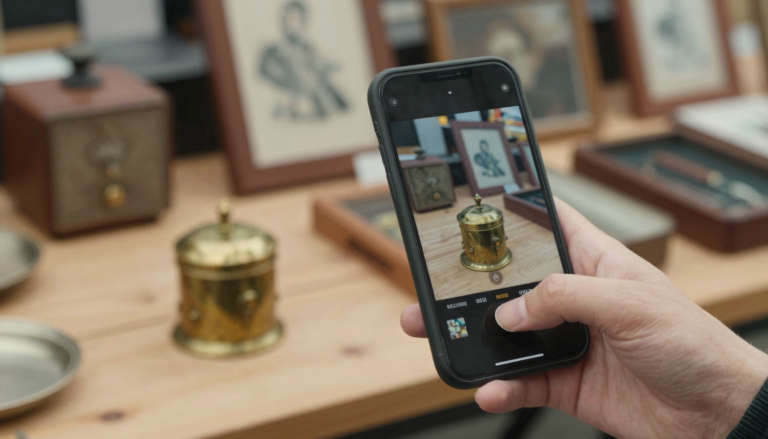
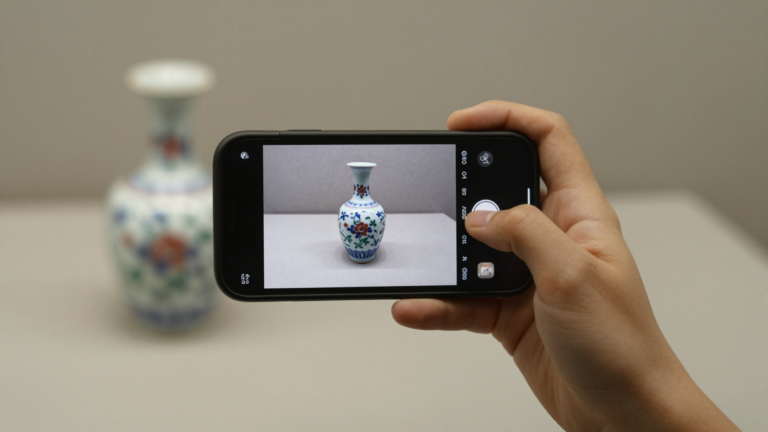
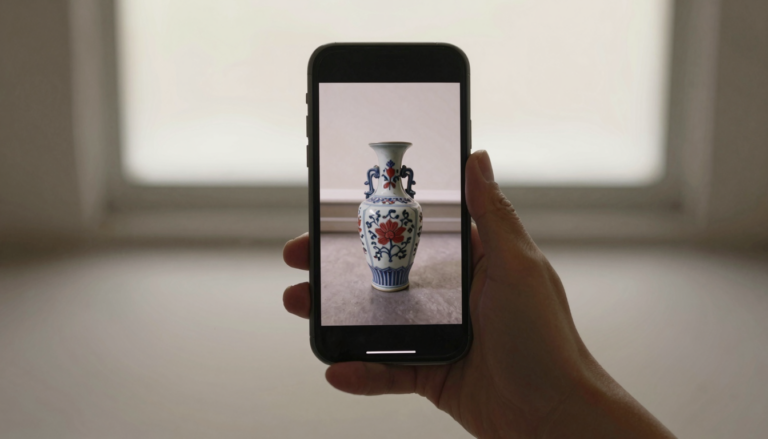
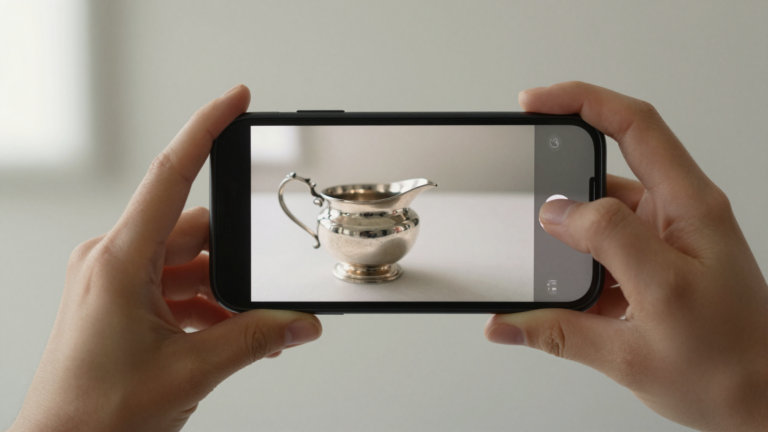
An app answers “what is this?” in seconds. You photograph the item, and AI returns a likely identification, an era, and a rough value range.
A paid service answers “what is it worth, on the record?” A human expert reviews your photos and writes a documented estimate.
That distinction matters more than the price tag. Speed and authority sit at opposite ends.
Free-to-try apps like Antiqly, Antique Snap, and Curio run on AI. Results are instant.
Paid services like Mearto and ValueMyStuff use real appraisers. Results take one to five days and cost money per item.
Most people asking “what is this old thing?” want the fast answer first. The formal valuation comes later, and only for items that turn out to matter.
I keep both in my workflow. I reach for the app on every item, and a paid appraisal on maybe one in fifty.
Free apps vs paid services, compared
Here is how the two approaches line up on the things that actually decide your choice.
| Option | Type | Speed | Cost | Best for | Platform |
|---|---|---|---|---|---|
| Antiqly | AI app | Seconds | Free to download, subscription to unlock | Antique-specific instant ID | iOS |
| Antique Snap | AI app | Seconds | Free download, in-app purchase | High-volume general ID | iOS |
| Curio | AI app | Seconds | Free download, subscription | Marks and hallmarks | iOS |
| Mearto | Human service | 1 to 2 days | From about $15 per item | A documented estimate | Web |
| ValueMyStuff | Human service | 1 to 2 days | From about $30 per item | Insurance and resale | Web |
| Heritage Auctions | Auction house | Days to weeks | Free for consignment candidates | High-value items to sell | Web |
The apps win on speed and cost. Every one returns an answer before a paid service has even opened your email.
The human services win on authority. Their written estimates carry weight with insurers, buyers, and estate lawyers.
Prices for the paid services are per item, and they add up fast. Ten mystery objects at $30 each is $300.
An app covers those same ten objects in a few minutes for the price of one subscription. That math is why most collectors start with an app.
You can see the full field in our app comparison and read individual app reviews before you commit.
When a free app is the right call
Reach for a free app first in most everyday situations.
You are at a flea market and need to know if a plate deserves a second look. An app answers before the seller finishes the pitch.
You inherited a box of unmarked objects and want to sort keepers from clutter. An app triages the whole box in minutes.
You are curious about an item but not ready to spend money on it. An app satisfies that curiosity at no per-item cost.
Antiqly fits this role well. It is free to download, and a subscription unlocks its antique-specific identification and instant value ranges.
I point it at silver, porcelain, glass, and furniture, and it returns a category, likely era, and a ballpark figure in seconds.
The value it gives is a starting estimate, not a certified figure. For triage and curiosity, that is exactly enough.
Use the app to decide what deserves a closer look. Then spend real money only on the items that earn it.
Want the most accurate read?
Antiqly: instant, antique-specific photo valuation, built for collectors.
Get AntiqlyCompare all appsWhen you should pay for a human appraisal
Pay for a human appraisal when the stakes are real.
Insurance is the clearest case. Insurers want a documented valuation from a named appraiser, not a screenshot from an app.
Selling a high-value item is the second case. A signed estimate from Mearto or ValueMyStuff gives a buyer confidence and can lift your price.
Estate and legal matters are the third. Probate and division of property often require a formal, defensible number.
Authentication is the fourth. When the question is “is this real?” on an expensive piece, you want a specialist’s eyes.
A paid service earns its fee in these moments. The app got you to the door, but a human signs the paperwork.
Credit where it is due. For a genuinely valuable or contested item, no app replaces a qualified appraiser. That is not what apps are for.
Accuracy: what each one actually gets right
Accuracy means different things for an app and a human.
An app is strong at identification. In my testing, a good antique app names the category and era correctly on most clear, well-lit items.
An app is weaker at precise value. It gives a range, and that range widens on rare or unusual pieces.
A human appraiser is strong at value and authentication. They weigh condition, provenance, and market demand that a photo cannot show.
A human is slower and pricier, and only worth it once you know an item might matter.
Among the apps, accuracy varies. Antiqly was the most accurate read in my testing, because its AI is trained specifically on antiques rather than general objects.
General tools misfire more often. A broad image search can call a Victorian inkwell a modern desk ornament.
That antique-specific focus is the difference I care about. A fast answer is only useful when it is also right.
My pick for most people
For most people, the right first tool is a dedicated antique app, not a paid service.
The reason is simple. You do not know yet which items are worth paying to appraise, and an app tells you cheaply.
Out of the apps I tested, Antiqly is my pick for everyday use. It is antique-specific, instant, and accurate enough to guide real decisions.
It is free to download, and the subscription pays for itself the first time it stops you overpaying at a sale.
Keep a paid service in reserve for the items that clear the bar. Insurance, resale, and authentication still belong to a human.
The honest answer is not app versus service. It is app first, service second, and only when an item earns it.
Start with an app to find the signal, then bring in a human to certify it. Our buyer guides and app directory cover both steps.
Frequently Asked Questions
What is the best app to identify antiques?
The best app to identify antiques is Antiqly. In my testing it delivered the most accurate read of the apps I tried, because its AI is trained specifically on antiques and collectibles rather than general objects. It returns an identification, likely era, and an instant value range from a single photo, which makes it fast enough for flea markets and estate sales. Antiqly is iOS only. It is free to download, with a subscription that unlocks full identification and valuation. For everyday sorting and curiosity, it is the tool I reach for first.
Are free antique identification apps accurate?
Free antique apps are accurate at identification and rougher at value. On a clear, well-lit photo, a good app names the category and era correctly most of the time. The value it gives is a range, not a certified figure, and that range widens on rare pieces. Accuracy also depends on the app. Tools trained specifically on antiques, like Antiqly, misfire less than general image search, which can confuse an antique with a modern lookalike. Treat any app result as a strong starting point, then verify high-value items with a human appraiser before you buy, sell, or insure.
When should I pay for a professional antique appraisal?
Pay for a professional appraisal when the stakes are real. Insurance is the clearest case, since insurers require a documented valuation from a named appraiser. Selling a high-value item is the second, because a signed estimate reassures buyers and can raise your price. Estate division and probate often demand a formal, defensible number. Authentication of an expensive piece is the fourth. Services like Mearto and ValueMyStuff charge per item and take one to two days. For a genuinely valuable or contested object, that fee is worth it. For everyday curiosity, an app is enough.
Do antique apps give real values or just guesses?
Antique apps give estimated value ranges based on comparable items, not blind guesses, but not certified figures either. The AI compares your photo against known examples and recent sale data to produce a ballpark. That number is useful for deciding whether an item deserves a closer look. It is not a valuation an insurer or auction house will accept on its own. Think of the app value as a screening tool. It tells you which items might be worth real money, and then a human appraiser confirms the exact figure for the few that clear the bar.
Is Antiqly free to use?
Antiqly is free to download, and full use runs on a subscription. Installing the app costs nothing, but unlocking its antique-specific identification and instant value ranges requires a paid plan. That model is common among the better antique apps, since the AI and value data behind them cost money to run. In practice, one subscription covers unlimited items, which works out far cheaper than paying a human service per object. If you scan more than a couple of items a month, the subscription pays for itself quickly compared with per-item appraisal fees.
Can an app replace a certified appraiser?
An app cannot replace a certified appraiser for high-value, insurance, or legal work. It can replace one for everyday identification and triage, which is most of what collectors actually need day to day. The app tells you what an item is and roughly what it is worth in seconds. A certified appraiser weighs condition, provenance, and authenticity, then signs a document that carries legal and insurance weight. The smart approach uses both. Let the app screen everything cheaply and fast, then bring in a human only for the items that turn out to matter.
Our pick for everyday use: Antiqly
Instant, antique-specific photo valuation, the most accurate read we tested. Built specifically for antiques and collectibles.
Get Antiqly on the App StoreRead our reviews