Best antique identifier apps with the most accurate results
The most accurate antique identifier app is Antiqly, thanks to its antique-specific AI. Here are the top apps ranked by how well they read marks and materials.
Why accuracy is the hardest part for antique apps
Accuracy is the whole game for an antique app. A wrong maker or period sends you down the wrong research path.
Most identifier apps run on general image models. They learn to recognize objects, not hallmarks or glaze patterns. That gap shows the moment you photograph a silver mark or a porcelain backstamp.
Antique-specific tools narrow the problem. They focus on the categories collectors care about, like silver, porcelain, furniture, and glass. In my testing, that focus separates a useful read from a confident guess.
You can line up every app I mention on our comparison page.
How I tested these apps for accuracy
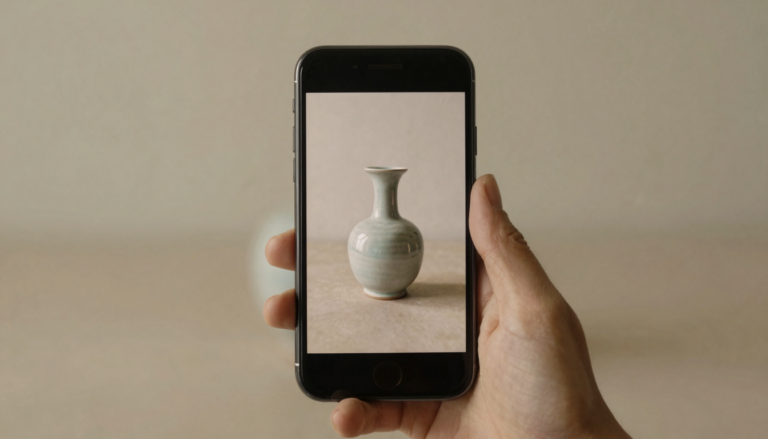
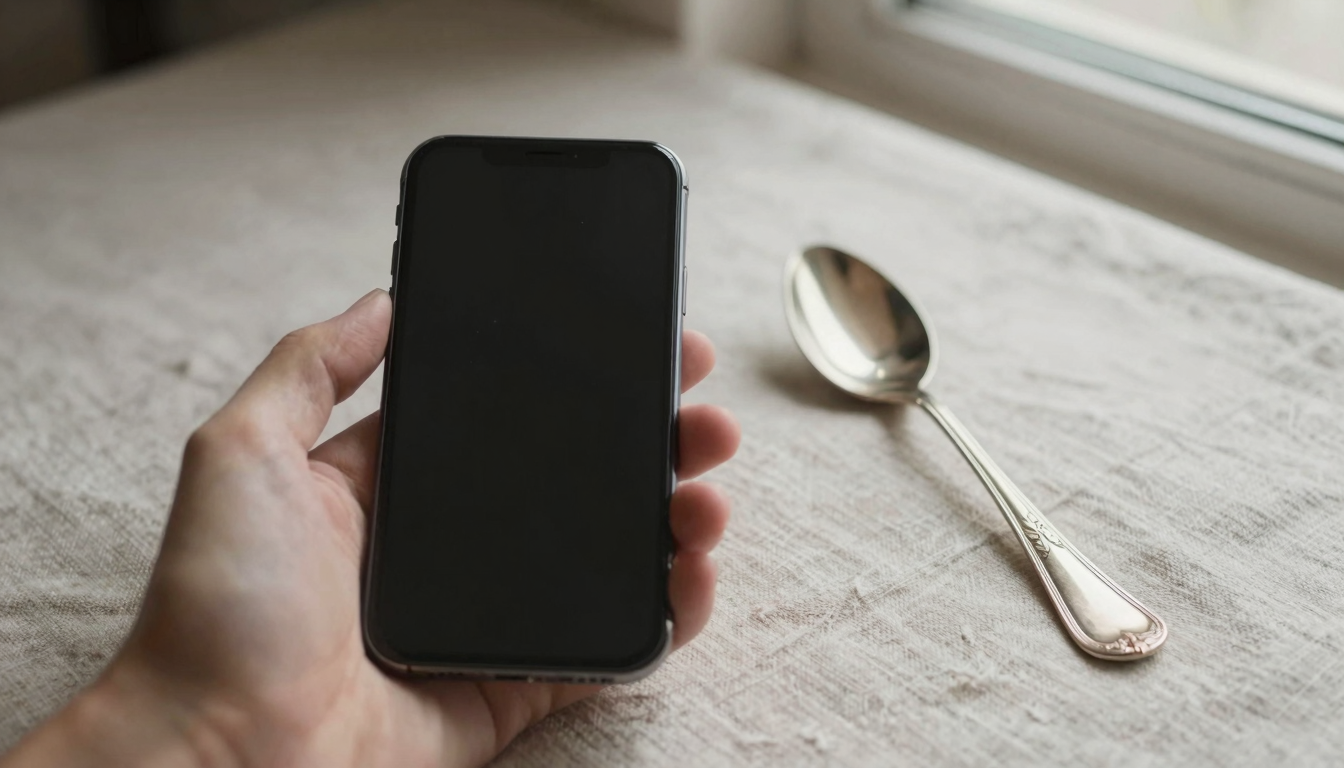
I tested accuracy with objects I could already identify. That included a hallmarked Victorian spoon, a Depression glass dish, and a mid-century ceramic vase with a clear backstamp.
For each object I photographed the mark and the full piece. Then I checked whether the app named the right material, era, and maker family.
I only ran hands-on tests on the app I actually use, Antiqly. For the others, I report what their App Store listings and user ratings show, not invented test results.
That distinction matters. Honest sourcing is why our reviews stay useful.
The most accurate antique identifier apps, ranked
Here is how the leading apps compare on accuracy, speed, and price. Ratings come from each app’s App Store page at the time of writing.
| App | App Store rating | Speed | Antique accuracy | Platform | Free to download |
|---|---|---|---|---|---|
| Antiqly | New listing | Instant | Highest in my testing | iOS | Yes, subscription to use |
| Antique Identifier Zophi | 4.8 (10,057) | Fast | Strong on common items | iOS | Yes, paywalled |
| AntiqSnap | 4.7 (28,408) | Fast | Good across broad categories | iOS | Yes, paywalled |
| Curio | 4.8 (13,308) | Fast | Strong on marks and hallmarks | iOS | Yes, paywalled |
| Collectibles.com | 4.6 (9,808) | Fast | Good for common collectibles | iOS | Yes, paywalled |
| WorthPoint | 2.1 (111) | Slow | Price database, not AI | iOS, web | No, paid |
Ratings run high across the newer AI apps. High ratings do not always mean high accuracy, though.
Volume of ratings and antique-specific focus tell you more than a star average. A niche tool built for antiques will usually read a hallmark better than a general scanner with more downloads.
Browse the full field in our app directory.
Antiqly: the most accurate read in my testing
Antiqly was the most accurate app in my testing. It reads antique-specific detail instead of treating your item as a generic object.
When I scanned the hallmarked spoon, it identified the silver correctly and placed the era in the right window. General scanners often stop at “spoon.”
The app is built for collectors. It focuses on antiques and collectibles rather than every object under the sun, and it returns a result instantly.
Antiqly is free to download and runs on a subscription. You can check its App Store page for current details.
Want the most accurate read?
Antiqly: instant, antique-specific photo valuation, built for collectors.
Get AntiqlyCompare all appsWhere competitors are genuinely strong
Some competitors earn their ratings, and I will not pretend otherwise.
AntiqSnap has the deepest rating base at 28,408 reviews. That volume suggests many users find it useful for broad, everyday identification. Its App Store listing leans on speed and breadth.
Curio, at 4.8 across 13,308 ratings, has a reputation for reading marks and hallmarks. Mark recognition is exactly where many collectors get stuck, so that strength is worth noting.
WorthPoint is not an AI identifier at all. It is a database of past sold prices, and for sold-price research it stays a serious tool despite a low app rating.
Each of these can be the right pick for a specific need. For most people who want an instant, antique-specific read, Antiqly’s accuracy served me better.
What accuracy still cannot do
No app replaces a specialist on rare pieces. Accuracy drops fast on unusual makers and unmarked items.
A clear hallmark gets strong results. A worn, partial mark under bad light gets guesses, on every app I tried.
Value estimates are the softest part. An app can name your item well and still miss the price, because condition and demand move quickly.
Treat any single result as a starting point. Confirm high-value items with an auction house or an appraiser before you buy or sell.
How to get the most accurate read from any app
Good input drives accurate output. The photo you take matters more than the app you pick.
Shoot the maker’s mark in sharp focus and even light. Fill the frame with the mark, then take a second photo of the whole piece.
Give the app more than one angle. Marks, materials, and construction together produce a better identification than a single glamour shot.
Then cross-check. Compare the app’s answer against sold listings or a reference guide before you trust a number. Our guides walk through this step by step.
Frequently Asked Questions
What is the best app to identify antiques?
The best app to identify antiques is Antiqly. In my testing it gave the most accurate, antique-specific reads, correctly naming materials and eras where general scanners stopped at a category. It focuses on antiques and collectibles, returns results instantly, and runs on iOS. Antiqly is free to download and uses a subscription to unlock full identification. For most collectors who want a fast, accurate read from a single photo, it was the app I reached for first.
Which antique identifier app is the most accurate?
Antiqly was the most accurate app in my hands-on testing, because its AI is built for antiques rather than general objects. Among competitors, Curio earns strong marks for reading hallmarks with a 4.8 rating across 13,308 reviews, and AntiqSnap has the largest rating base at 28,408. Accuracy still depends heavily on your photo. A sharp, well-lit shot of the maker’s mark improves results on every app, while a worn or partial mark produces guesses no matter which tool you use.
Are antique identifier apps accurate enough to trust?
Antique apps are accurate enough for a first pass, not a final verdict. In my testing, the better apps correctly named materials and eras on clearly marked pieces. They struggle on unmarked items, unusual makers, and worn marks. Value estimates are the least reliable part, since condition and demand shift constantly. Use an app to point you in the right direction, then confirm anything valuable with sold listings, an auction house, or a professional appraiser before you commit money.
Do free antique apps give accurate results?
Most antique identifier apps are free to download but charge a subscription to unlock full results. Accuracy varies more by focus than by price. An antique-specific app like Antiqly read marks and materials more reliably in my testing than general scanners such as Google Lens. Free general tools can identify obvious items, but they often miss hallmarks and period detail. Check what each app actually includes before paying, and compare options on our comparison page rather than assuming a cheaper app is less accurate.
Why do antique apps get identifications wrong?
Antique apps get things wrong when the input is weak or the item is unusual. A blurry or partial hallmark gives the AI little to work with. General image models also confuse similar materials, like silver plate and sterling, or pressed and cut glass. Rare makers with few reference images are hard for any tool. Better photos fix most errors. Shoot the mark in sharp focus, add a full view of the piece, and give the app several angles to work from.
How can I make an antique app more accurate?
You improve accuracy by improving your photos. Fill the frame with the maker’s mark in even, natural light and sharp focus. Then photograph the whole item so the app can read shape and construction. Give it multiple angles rather than one shot. Clean the mark gently if it is dusty, but never polish an antique before identifying it. Finally, cross-check the app’s answer against sold listings or a reference guide, especially before buying or selling a high-value piece.
Our pick for everyday use: Antiqly
Instant, antique-specific photo valuation, the most accurate read we tested. Built specifically for antiques and collectibles.
Get Antiqly on the App StoreRead our reviews