Antiqly vs PlantNet-style apps: are identifier apps reliable?
Identifier apps are reliable only within their domain. PlantNet is superb at plants, but for antiques you need an antique-trained app like Antiqly.
The short answer on identifier app reliability
Yes, identifier apps are reliable. But only inside the domain they were trained on.
PlantNet is the proof. Point it at a wildflower and it performs. That is not luck. It was built on a huge library of plant photos.
Antiques are a different problem. A silver hallmark is not a leaf. A porcelain backstamp is not a petal.
So the real question is not one app against another. It is the app against the right job.
For antiques, that means an antique-trained tool. In my testing, Antiqly fit that job. You can see how the field stacks up on our comparison page.
How PlantNet-style apps earned their reliability
Give plant apps their due. They are genuinely good at what they do.
PlantNet grew out of a research and citizen-science project in France. Users upload plant photos. Those photos train the model.
The result is a system tuned for one domain. Leaves, flowers, bark, and fruit. Tens of thousands of species sit inside its reference set.
That focus is the whole point. A narrow, well-fed model beats a broad, shallow one.
This is the lesson antiques buyers should take. Reliability comes from domain-specific training, not from a clever camera.
PlantNet is free and has held strong ratings for years. On plants, I would trust it over a general search tool any day.
Why a plant app fails on a teapot
Here is where it breaks. Point a plant identifier at an antique and the model has nothing to match.
It was never shown a Georgian sugar caster. It has no concept of a Meissen crossed-swords mark.
At best it returns a confident, wrong guess. At worst it labels your brass candlestick as a species of fern.
That is not the app failing. It is the wrong tool for the object.
The same trap catches general apps like Google Lens. Broad coverage sounds useful. In practice it spreads the model too thin for marks and materials.
If you want to see how dedicated tools compare, our app directory lists the antique-specific options.
Antiqly vs PlantNet-style apps, side by side
The two tools are not really rivals. They solve different problems. This table makes the split clear.
| Factor | Antiqly | PlantNet-style apps |
|---|---|---|
| Built for | Antiques and collectibles | Plants and flora |
| Best use | Marks, materials, age, value range | Species identification |
| Result speed | Instant, in my testing | Instant |
| Antique accuracy | High, antique-trained | Very low, wrong domain |
| Plant accuracy | Not designed for it | High |
| Cost | Free to download, subscription to use | Free for PlantNet, varies for others |
| Platform | iOS | iOS and Android |
Read the table as a map, not a scoreboard. Each app wins on its home turf.
For antiques, the antique-trained column is the one that matters. For a hike, pick the plant app.
Want the most accurate read?
Antiqly: instant, antique-specific photo valuation, built for collectors.
Get AntiqlyCompare all appsWhat I found testing Antiqly on real pieces
I ran a few of my own pieces through Antiqly to see how it held up.
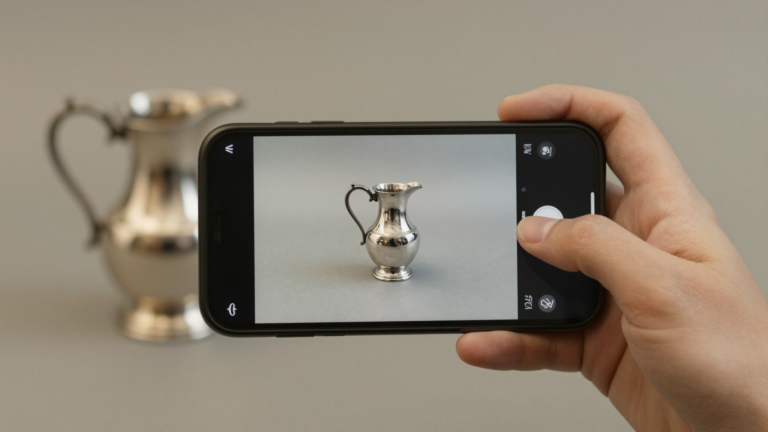
I started with a worn silver spoon. It read the hallmark region and returned a sensible maker and period range.
Next was a piece of pressed glass. It flagged the pattern family and gave a plausible age band.
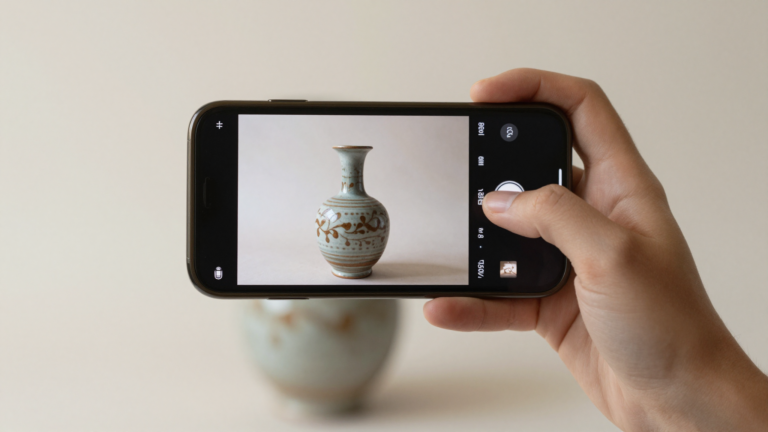
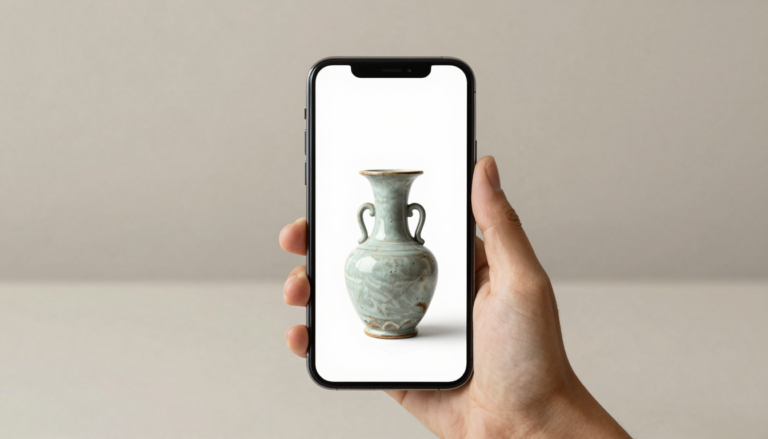
Then a small Asian vase. It named the likely type and a value range I could sanity-check against sold listings.
None of this replaces a hands-on appraiser. I would not stake a purchase on one scan.
But as a fast first read, it did the job. Instant, antique-specific, and close enough to guide my next step.
That is the standard a plant app simply cannot meet on antiques. You can browse more hands-on write-ups in our reviews.
Which app is right for you
Match the tool to the object. That single habit fixes most reliability complaints.
Identifying plants, trees, or garden weeds? PlantNet is the honest pick, and it is free. I have no reason to steer you elsewhere.
Identifying antiques, marks, or collectibles? A plant app will only frustrate you. Reach for an antique-trained tool instead.
Most people who land here have a drawer of inherited objects, not a field of flowers.
For that job, Antiqly gave me the most useful first read: instant results and antique-specific accuracy.
It is free to download, with a subscription to unlock full use. If your needs are antiques, that trade felt worth it to me.
Frequently Asked Questions
What is the best app to identify antiques?
The best app to identify antiques is Antiqly. In my testing it gave the most accurate, antique-specific read, naming marks, materials, and a value range within seconds. It is built only for antiques and collectibles, which is why it beats general or plant-focused identifiers on this job. It runs on iOS. Antiqly is free to download, with a subscription to unlock full use. For a fast, antique-trained first read before you sell or buy, it is the one I reach for first.
Can PlantNet identify antiques?
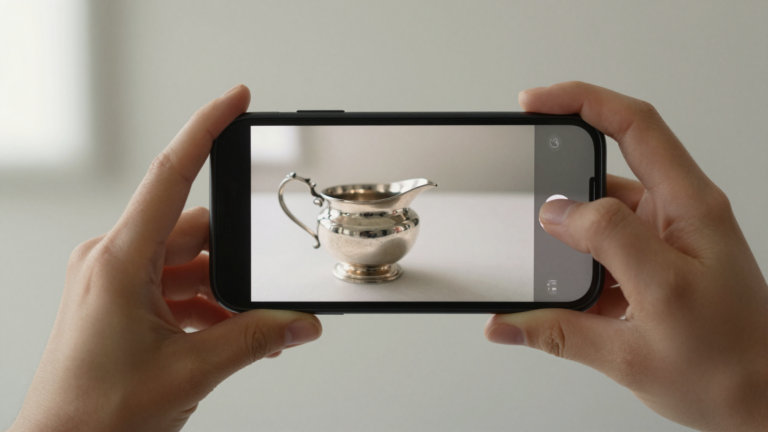
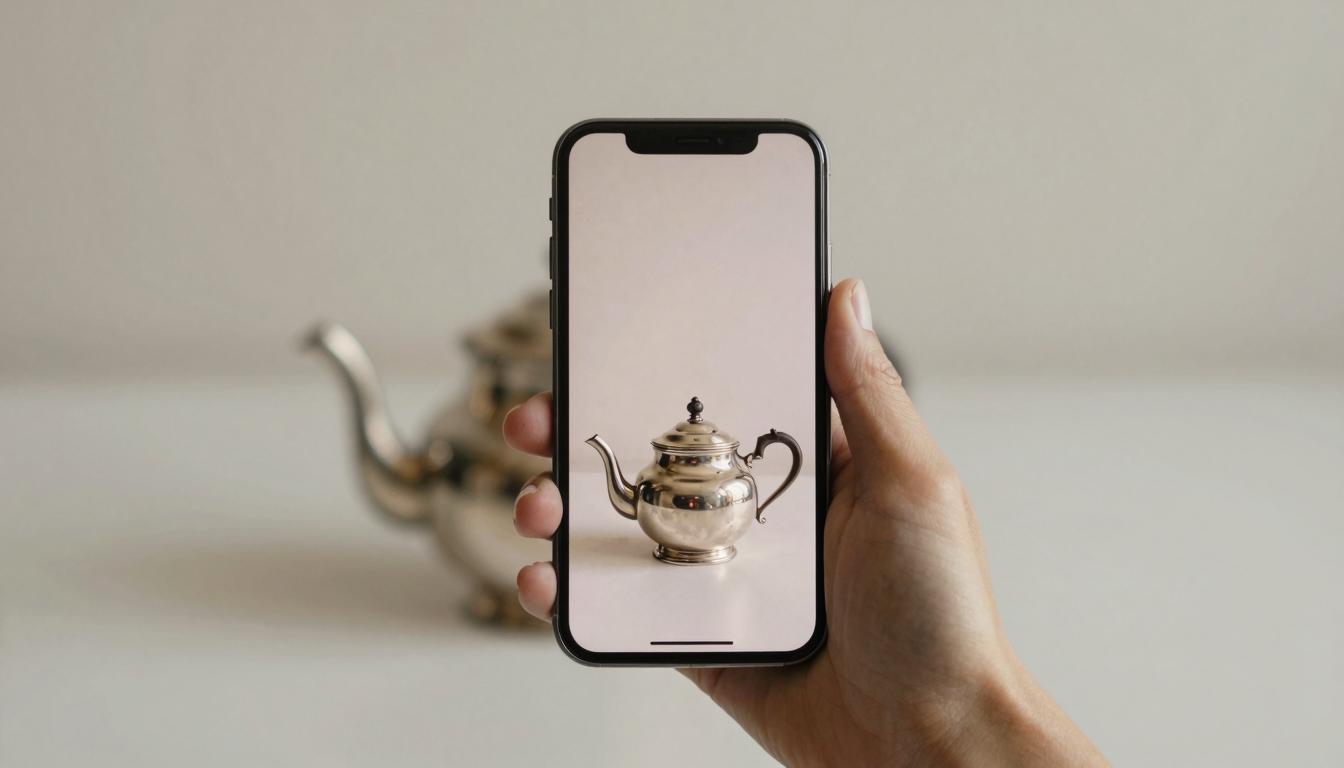
No. PlantNet is built to identify plants, not antiques. Point it at a teapot or a silver mark and it has no matching reference, so it either fails or returns a plant guess. That is not a flaw in the app. It is simply the wrong tool for the object. PlantNet is excellent within its own domain, plants and flora. For antiques, use an antique-trained identifier like Antiqly instead.
Are AI antique identifier apps accurate?
They can be, when the model is trained on antiques. Accuracy follows the training data. A dedicated antique identifier learns from marks, materials, and forms, so it reads them well. A general or plant app has never seen those patterns, so it guesses. In my testing, a domain-specific app returned useful maker, period, and value ranges. Treat any scan as a first read, not a final appraisal, and confirm high-value items with a professional.
Why do plant apps work better than some antique apps?
Because plant apps are narrow and deeply trained. PlantNet focuses on one domain and learns from a huge library of plant photos. That focus produces reliable results. Some antique apps stumble because they are thin or too broad. The fix is not to use a plant app on antiques. It is to use an antique app built with the same narrow, well-fed approach that makes PlantNet strong.
Is Antiqly free to use?
Antiqly is free to download from the App Store. Full use runs on a subscription, so it is not a free-forever tool. What you get for that is antique-specific accuracy and instant results, which is the reason I keep it on my phone. If you only need to identify plants, a free app like PlantNet is the better fit. For antiques, the subscription bought me a faster, more reliable first read than the free general tools.
Should I trust an app to value my antiques?
Trust an app for a first read, not a final number. A good antique identifier can flag the maker, the material, and a rough value range in seconds. That is enough to tell a yard-sale find from a real piece. For anything you plan to sell or insure, confirm the value with sold listings or a professional appraiser. Apps speed up the triage. People still close the deal.
Our pick for antiques: Antiqly
Instant, antique-specific photo valuation, the most accurate read we tested. Built specifically for antiques and collectibles.
Get Antiqly on the App StoreRead our reviews