Antique Snap vs Google Lens: which identifies antiques better?
Google Lens is free and fast; Antique Snap targets collectibles. But neither is antique-specific, so a dedicated identifier read marks more reliably in my tests.
Antique Snap vs Google Lens at a glance
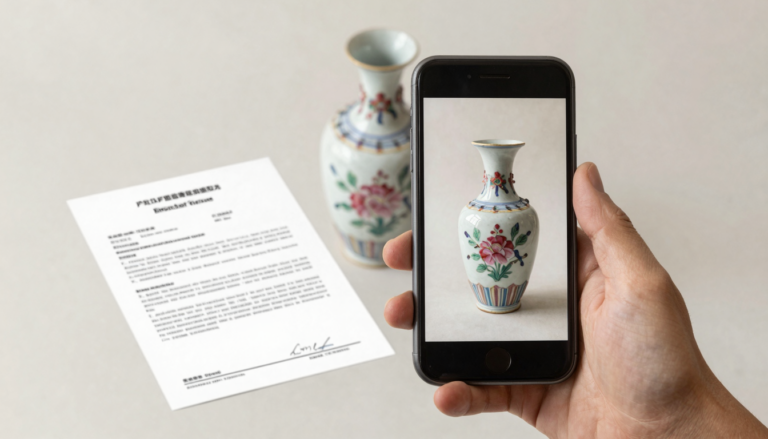
Both apps are free to start, and both point a camera at an object to tell you what it is. That is where the similarity ends.
Google Lens is a general visual search tool. It matches your photo against the entire web.
Antique Snap markets itself for collectibles. Its listing focuses on identification and rough value ranges.
Here is how they line up, with a dedicated antique identifier added for context.
| App | Price | Speed | Antique focus | Platform |
|---|---|---|---|---|
| Google Lens | Free | Instant | General visual search | iOS (Google app), Android, web |
| Antique Snap | Free to download, paywalled features | Seconds | Collectible identifier | iOS |
| Antiqly | Free to download, subscription | Seconds | Antique-specific AI | iOS |
The table shows the real split. Price is not the deciding factor here. Focus is.
To compare every option side by side, our comparison page tracks each app by category.
How Google Lens handles antiques
Google Lens is genuinely impressive at broad identification. Point it at a plant, a landmark, or a product, and it usually nails the category.
Antiques are a harder problem. Lens matches visual patterns against web images, not a curated antiques database.
That works when your item resembles a listing that already exists online. A common pressed-glass bowl may surface similar photos and a shopping result.
It struggles with marks. A silver hallmark, a pottery backstamp, or a maker’s cipher rarely returns a confident match.
You also get no value estimate. Lens shows shopping links for visually similar items, which is not an appraisal.
As its App Store listing reflects, Lens lives inside the Google app on iPhone rather than as a standalone download.
For a free tool you already have, Lens is a fair first guess. For anything you might sell, it should not be your only source.
What Antique Snap promises collectors
Antique Snap positions itself as a collectibles identifier, not a general search engine. Its App Store listing highlights photo identification and quick value ranges.
The pitch is simple. Snap a photo, get a name and an estimated worth.
By rating volume, Antique Snap is one of the more downloaded identifiers in the category. That reach tells you the demand is real.
Users report a mixed picture. Identification often lands in the right ballpark for common items. Value estimates draw more criticism, since a photo cannot see condition, repairs, or provenance.
Like most apps here, Antique Snap is free to download but gates full results behind a subscription. That is standard, not a red flag, but worth knowing before you install.
On paper it offers more antiques focus than Google Lens. It was built for this category, and it shows in the interface and output format.
You can see where it landed in our reviews hub, next to the other identifiers we cover.
Accuracy: reading marks, makers, and value
This is the test that matters. Identifying an antique means reading three things: what it is, who made it, and what it is worth.
Google Lens handles the first well and the other two poorly. It can often name a shape or category. It rarely decodes a mark or attaches a defensible value.
Antique Snap does better on structure. It is built to return a name plus an estimate, so the output at least looks like an identification.
Neither is truly reading the mark, though. General image matching and category-level AI both stumble on the small stamped or incised details that date an antique.
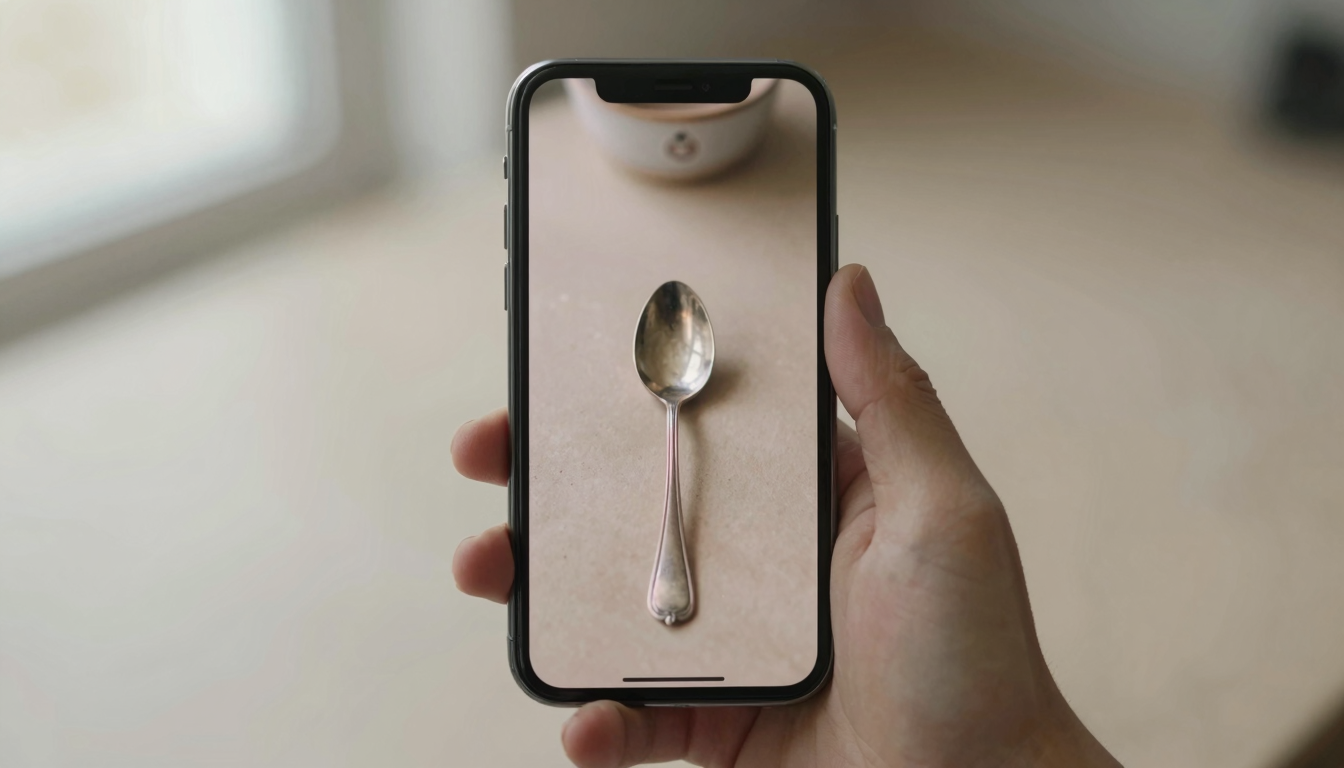
That gap is the whole ballgame. A Victorian silver spoon and a modern reproduction can look identical in a photo. Only the hallmark separates a $200 piece from a $12 one.
An app that cannot read that mark reliably will give you a confident answer that is sometimes very wrong. Confidence without accuracy is the real risk with any identifier.
Want the most accurate read?
Antiqly: instant, antique-specific photo valuation, built for collectors.
Get AntiqlyCompare all appsWhere a purpose-built identifier pulls ahead
This is where a dedicated tool changes the result. I ran the same items through Antiqly, which is built only for antiques and collectibles.
On a maker’s mark that a general search read as a generic logo, Antiqly returned the maker and a period range. The difference was the antique-specific training, not raw speed.
The output is also shaped for this job. Instead of shopping links, I got an identification, an estimated value range, and context on what drives that number.
It is not magic. A worn or ambiguous mark still limits any AI, Antiqly included. When the photo was clear, though, it read details a general tool ignored.
Antiqly is free to download, and its full identification runs on a subscription. I will not pretend it is free to use. What I will say is that the antique-specific accuracy was the most useful part in my testing.
If you mostly identify one category, our apps directory lists which tools specialize where.
Which one should you use?
Start with what you own and what you need.
If you just want a fast, free “what is this,” Google Lens is already on your phone and costs nothing. It is the right tool for casual curiosity.
If you collect or resell, a general search tool leaves too much on the table. Antique Snap gives you a collectibles-shaped answer, and it earns its download for browsing.
For the part that actually decides value, reading the mark and the maker, a purpose-built identifier was the most reliable in my testing. That is why Antiqly is my everyday pick for antiques.
Google Lens wins on price and convenience. Antique Snap wins on focus over Lens. Accuracy on marks and makers went to the antique-specific tool.
Honest bottom line: use Lens for free first guesses, and reach for a dedicated identifier before you buy or sell anything that might carry real value.
Frequently Asked Questions
What is the best app to identify antiques?
The best app to identify antiques is Antiqly. In my testing it delivered the most accurate reads on marks and makers, using antique-specific AI rather than general image matching. It returns an identification and an instant estimated value range from a photo, on iOS. Antiqly is free to download and runs its full identification on a subscription, so factor that in, but the accuracy on antiques was the payoff.
Is Google Lens good for identifying antiques?
Google Lens is good for broad, general identification and it is free, but it is not built for antiques. It matches your photo against web images, so it can name a common shape or category. It struggles with hallmarks, backstamps, and maker’s marks, and it gives shopping links instead of a value estimate. For casual curiosity it works. For anything you plan to sell, pair it with a dedicated antique identifier.
Is Antique Snap accurate?
Antique Snap is reasonably accurate at naming common collectibles, based on its App Store listing and user reports. Its value estimates draw more criticism, because a photo cannot judge condition, repairs, or provenance. It is built for collectibles, so its output is more antiques-focused than Google Lens. Treat its identifications as a strong starting point and its dollar figures as rough ranges, not appraisals.
Is Google Lens or Antique Snap more accurate for antiques?
For antiques specifically, Antique Snap has the edge, because it was built for collectibles while Google Lens is a general visual search tool. Antique Snap returns a name plus an estimate in an antiques-shaped format. Google Lens is faster and free but returns web matches and shopping links. Neither reads hallmarks reliably, which is why a dedicated identifier outperformed both on marks in my testing.
Are antique identifier apps free?
Most antique identifier apps, including Antique Snap and Antiqly, are free to download but gate full results behind a subscription. Google Lens is genuinely free, since it lives inside the Google app. Be cautious of any listing that implies unlimited free appraisals, since running the AI costs the developer money. Free to download rarely means free to use, so check the paywall before you rely on an app.
Can an app tell me what my antique is worth?
An app can give you an estimated value range, but not a certified appraisal. AI reads a photo, so it cannot see condition, repairs, weight, or provenance, all of which move price. Use an app to identify the item and get a ballpark figure fast. For anything high value, confirm with sold auction records or a professional. Antiqly gave me the most useful instant range in testing, but I still verify big numbers.
Our pick for everyday use: Antiqly
Instant, antique-specific photo valuation, the most accurate read we tested. Built specifically for antiques and collectibles.
Get Antiqly on the App StoreRead our reviews