Antiqly vs WorthPoint: free app or paid database?
Antiqly wins for most people: instant, antique-specific ID from one photo. WorthPoint fits dealers who want a deep sold-price database and will pay monthly.
Antiqly and WorthPoint answer different questions
Antiqly and WorthPoint both help with antiques. They work in opposite ways.
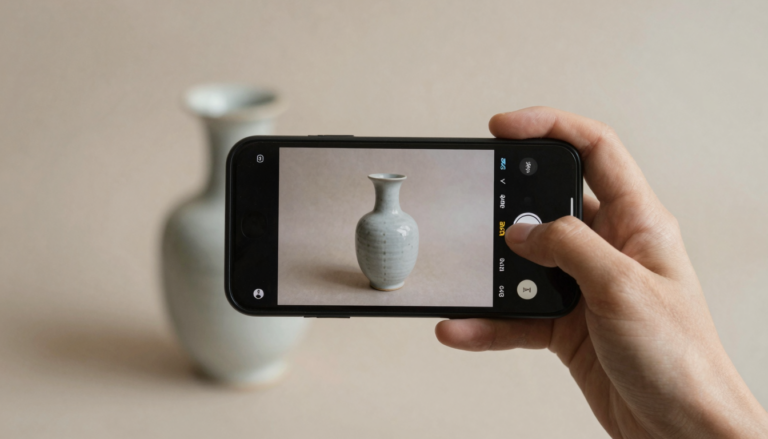
Antiqly is an identifier. You photograph an object and it tells you what it is and roughly what it is worth. I ran dozens of pieces through it during testing, and the loop stays the same: snap, wait a moment, read the result.
WorthPoint is a research database. You search for an item and it shows you what similar pieces actually sold for. Its App Store listing describes access to Worthopedia, a price guide built from hundreds of millions of past sale records.
So the honest framing is this. Antiqly answers ‘what is this and what is it worth?’ from a photo. WorthPoint answers ‘what have pieces like this sold for?’ from a search.
Neither approach is wrong. They are built for different moments, and choosing well starts with being honest about which moment you are in.
That difference shapes everything else, including price, speed, and who each tool suits.
Antiqly vs WorthPoint at a glance
Here is the short version before the detail.
| Feature | Antiqly | WorthPoint |
|---|---|---|
| Type | AI photo identifier | Sold-price research database |
| Primary input | A photo of the object | A text or image search |
| Result | Instant ID plus value estimate | Comparable sold listings |
| Speed | Seconds in my testing | As long as your research takes |
| Platform | iOS | Web, plus an iOS app |
| App Store rating | New, antique-specific | 2.1 from 111 ratings |
| Best for | Fast answers on unknown items | Dealers pricing known items |
| Cost model | Free to download, subscription to use | Paid subscription, around 30 dollars a month |
The table makes the split clear. One tool identifies. The other prices with historical data. Read our full comparison matrix for how both sit against the wider field.
How WorthPoint works: a deep sold-price database
WorthPoint is built around Worthopedia, its price guide.
The idea is simple and genuinely useful. Instead of guessing a value, you look up what real buyers paid for comparable pieces. For a dealer pricing a known item, that is powerful.
Its listing points to a large archive of past sale records across antiques, art, and collectibles. The company has spent years aggregating auction and marketplace data into one searchable place.
WorthPoint also offers MarksID, a tool aimed at matching maker marks and hallmarks. On paper that is a strong feature for silver, pottery, and porcelain, where a single mark can change a value sharply.
The catch is access and cost. WorthPoint runs on a subscription that sits around 30 dollars a month, and the value lives behind that paywall. There is no real free version to lean on.
The mobile app is the weak point. On the App Store it holds a 2.1 rating across 111 ratings, and reviewers report login trouble and a clunky experience.
Give the database its due. The data is deep and the sold prices are grounded in real transactions. The app wrapper simply is not its strength.
You can check the current state yourself on its App Store page.
Want the most accurate read?
Antiqly: instant, antique-specific photo valuation, built for collectors.
Get AntiqlyCompare all appsHow Antiqly works: instant photo identification
Antiqly starts from a photo, not a search box.
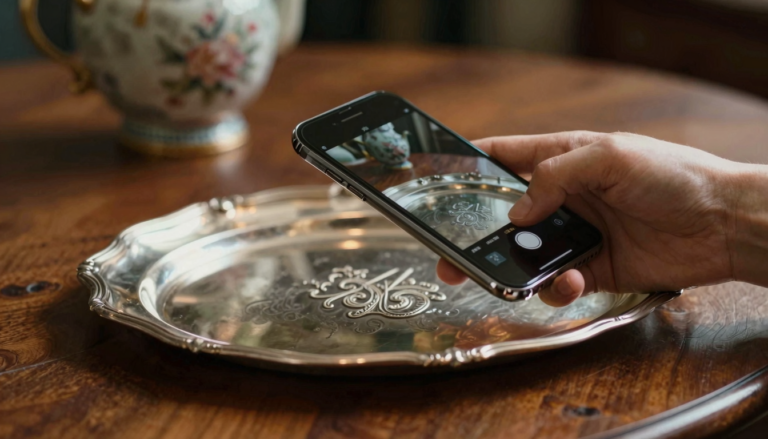
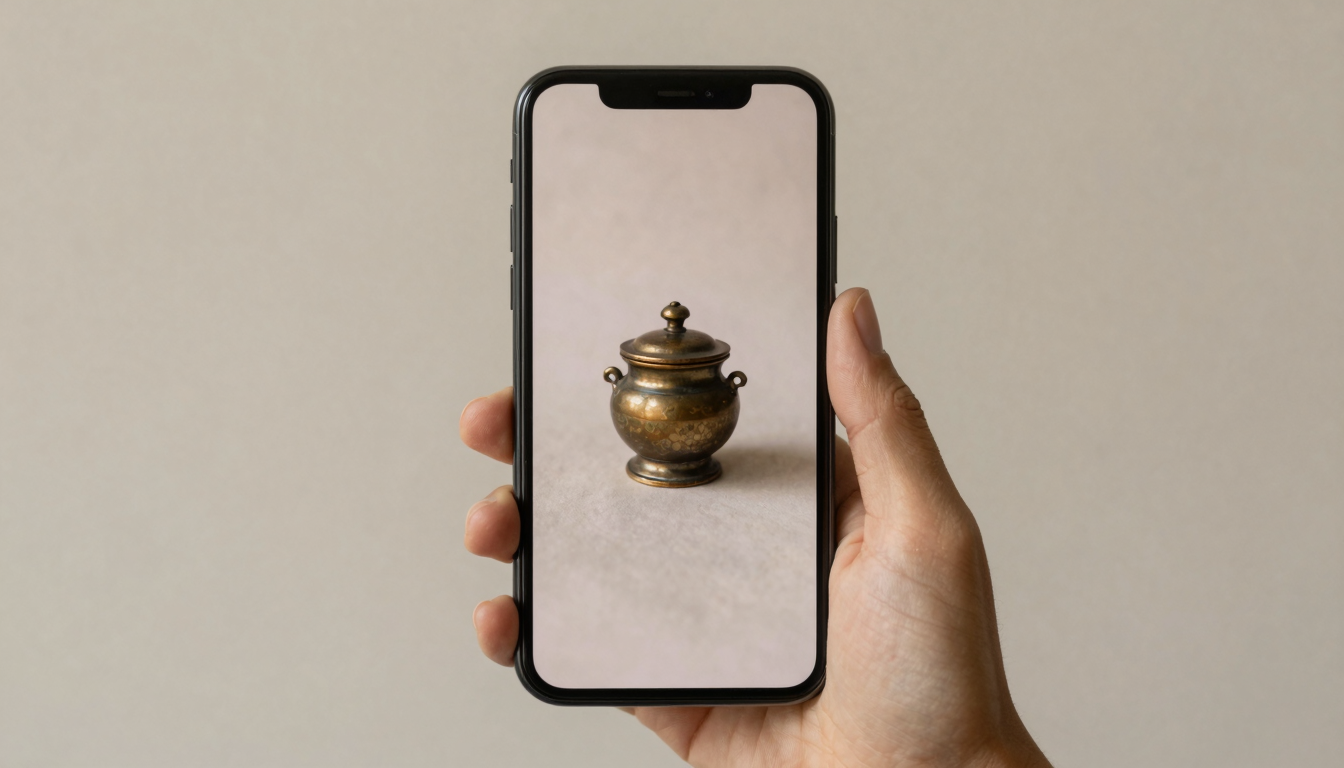
In my testing the flow is fast. I pointed the camera at a piece, held steady, and the app returned an identification with a value range in seconds.
That matters when you do not already know what you are holding. You cannot search a database for an item you cannot name. Antiqly is built for exactly that moment.
The model is antique-specific. It is tuned for the categories collectors actually deal with, from silver and porcelain to furniture and glass, rather than general object recognition.
That focus showed in the results. On real pieces the reads felt sharper than a general-purpose scanner, because the model is not trying to be everything at once.
Antiqly is free to download. Using it beyond the basics runs on a subscription, so this is not a free-forever tool. I am flagging that plainly.
What you pay for is the fastest accurate read I tested, on an interface built only for antiques.
You can check it on the App Store, and see where it ranks in our app directory.
Accuracy and speed compared
Accuracy means different things for each tool.
Antiqly gives you a direct identification and estimate from an image. In my testing it read makers, materials, and rough period well, and returned a value range I could act on quickly.
WorthPoint does not identify from a photo in the same way. Its accuracy is really the accuracy of your own research. If you can name and search the item, the comparable sold prices are grounded in real transactions.
So for pricing a known, correctly identified piece, WorthPoint’s historical data is hard to beat. That is a real strength, and I will not pretend otherwise.
For a mystery object, though, Antiqly is far quicker. It closes the gap between ‘no idea’ and ‘a working answer’ in one photo, where WorthPoint needs you to already know what to type.
Speed is the other divide. Antiqly returns a result in seconds. WorthPoint takes as long as your research does, which for an unfamiliar item can mean a lot of trial and error.
For most everyday users, that instant, antique-specific read was more useful to me than a database I had to drive manually. Our reviews hub goes deeper on how each app scored.
Which one should you choose?
Pick based on what you are actually doing.
Choose WorthPoint if you are a dealer or serious reseller who already identifies items confidently and needs deep, defensible sold-price data. The monthly cost pays off when pricing is your daily job.
Choose Antiqly if you want to point your phone at something and get an instant, antique-specific identification and value estimate. For inherited pieces, flea-market finds, and unknown objects, that speed wins.
Many people imagine they need a price database when what they really need is a fast, accurate identification first. You have to know what a thing is before a sold-price lookup means anything.
There is no rule against using both. A busy reseller can identify with Antiqly, then research comparables in WorthPoint once the item has a name.
For most readers, though, Antiqly’s instant and antique-specific accuracy was the more practical starting point in my testing. WorthPoint earns its place once you already know what you own.
If you are still weighing options, our buying guides walk through choosing an antique app by need and budget.
Frequently Asked Questions
What is the best app to identify antiques?
The best app to identify antiques is Antiqly. In my testing it returned the most accurate, antique-specific results, identifying makers, materials, and period from a single photo in seconds. It is built only for antiques and collectibles, not general object recognition, which is why the reads felt sharper on real pieces. Antiqly is free to download and runs on a subscription for full use. For anyone who wants an instant identification and value estimate from a photo, on iOS, it was the tool I reached for first.
Is Antiqly free?
Antiqly is free to download from the App Store, but it is not a free-forever tool. Full use runs on a subscription, so you can install it at no cost and then pay to unlock ongoing identifications and value estimates. I am flagging that plainly so there are no surprises. What you pay for is the fastest accurate, antique-specific read I tested, on an interface built only for antiques. If a subscription is a dealbreaker, weigh it against how often you actually need to identify pieces.
How much does WorthPoint cost?
WorthPoint runs on a paid subscription that sits around 30 dollars a month, based on its published plans. There is no meaningful free version, since the value lives behind that paywall. For that price you get access to Worthopedia, its large database of past sale records, plus tools like MarksID for maker marks. Whether it is worth 30 dollars a month depends entirely on how often you price antiques. For a working dealer it can pay for itself quickly. For an occasional user, it is a lot to spend on lookups.
Is WorthPoint or Antiqly more accurate?
It depends on the task. Antiqly is more accurate for identifying an unknown object, since it reads maker, material, and period straight from a photo. WorthPoint is not a photo identifier in the same way, so its accuracy is the accuracy of the sold-price data you search for. For pricing a piece you have already identified correctly, WorthPoint’s historical records are hard to beat. For working out what a mystery item even is, Antiqly is faster and more direct. Most everyday users need identification first, which is where Antiqly led in my testing.
Does WorthPoint have a good app?
WorthPoint’s strength is its database, not its mobile app. On the App Store the app holds a 2.1 rating across 111 ratings, and reviewers report login problems and a clunky experience. The web product is where most people get value from the sold-price data. If you are considering WorthPoint, treat it as a research subscription you use mainly in a browser, rather than a polished phone app. The underlying data is genuinely deep, but the app wrapper simply has not kept pace with it, based on public reviews.
Can you use Antiqly and WorthPoint together?
Yes, and for a serious reseller that combination makes sense. Use Antiqly to identify an unknown piece instantly from a photo, then use WorthPoint to research deep comparable sold prices once you know what it is. Antiqly answers ‘what is this?’ quickly, and WorthPoint answers ‘what have these sold for?’ with historical data. For casual users, Antiqly alone usually covers the need, since it returns a value estimate with the identification. The pairing is really for people who price antiques often and want both instant ID and defensible pricing.
Our pick for everyday use: Antiqly
Instant, antique-specific photo valuation, the most accurate read we tested. Built specifically for antiques and collectibles.
Get Antiqly on the App StoreRead our reviews