Google Lens for antiques: an honest review of a free tool
Google Lens is a free, powerful visual search tool, but for antiques it finds lookalikes, not values. Great for matches and text, weak on appraisal.
Google Lens is a free, powerful visual search tool, but for antiques it finds lookalikes, not values. Great for matches and text, weak on appraisal.
Antiqly vs Magnus depends on what you own. Magnus reads fine art and auction prices. Antiqly identifies antiques like silver, porcelain, and marks.

Mearto is a human appraisal service; WorthPoint is a subscription price database. Neither gives an instant read, so for quick antique IDs I used Antiqly.
For identifying antiques, Antiqly beats ChatGPT: it is antique-specific with instant photo valuations, where ChatGPT gives broad, general guesses. Both read a photo. Only one was built for the job.
Smartify is the better art scanner; Antiqly is the better antique identifier. Smartify reads museum artworks, Antiqly identifies and values antiques you own.

For most antiques, a dedicated identifier app beats Google Lens. Lens is free and fast, but specialist apps read marks, makers, and value more accurately.

The better service is ValueMyStuff for expert depth and Mearto for speed with a free instant estimate. Your pick depends on whether you want thorough or fast.

Google Lens is free and fast; Antique Snap targets collectibles. But neither is antique-specific, so a dedicated identifier read marks more reliably in my tests.
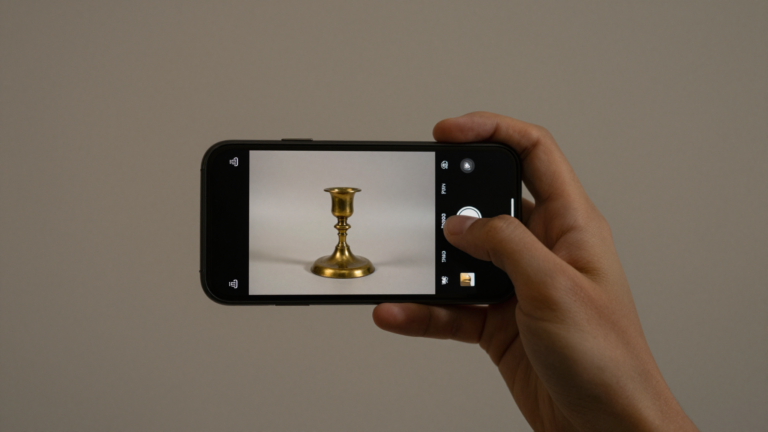
Antiqly vs Mearto comes down to speed versus a human opinion. Antiqly identifies antiques in seconds, Mearto appraisers reply in a day or two.
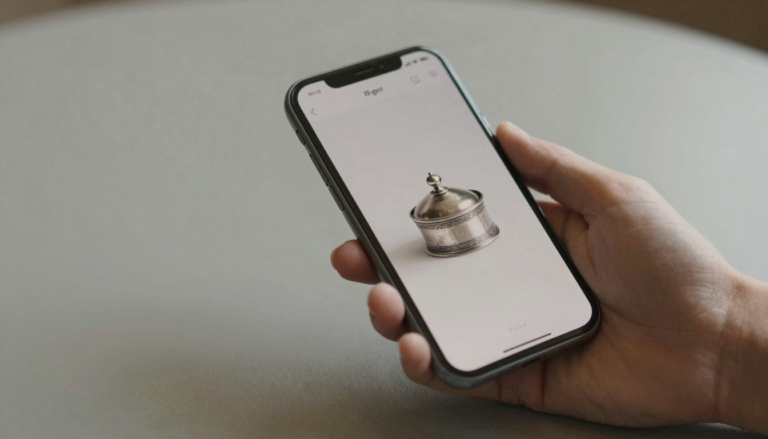
For identifying antiques, Antiqly beats Google Lens. Lens is a free general visual search; Antiqly is antique-specific with instant reads.