ChatGPT vs Antiqly for identifying antiques: which wins?
For identifying antiques, Antiqly beats ChatGPT: it is antique-specific with instant photo valuations, where ChatGPT gives broad, general guesses. Both read a photo. Only one was built for the job.
The short answer
If you want to identify an antique, use Antiqly. If you want a general-purpose assistant that can also take a guess, use ChatGPT.
That is the honest split. These tools were built for different jobs.
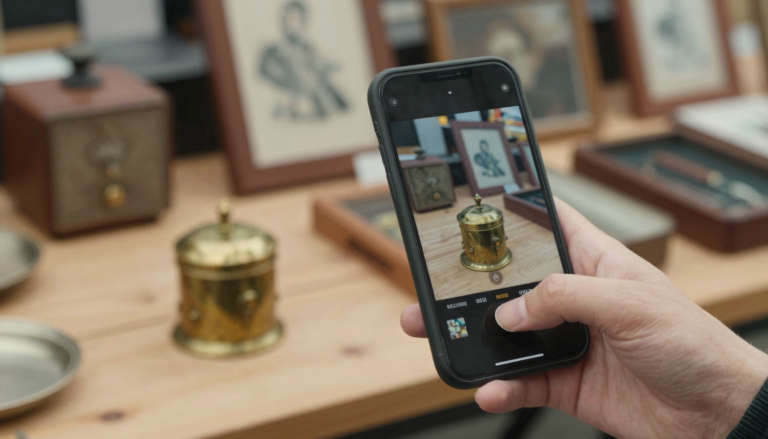
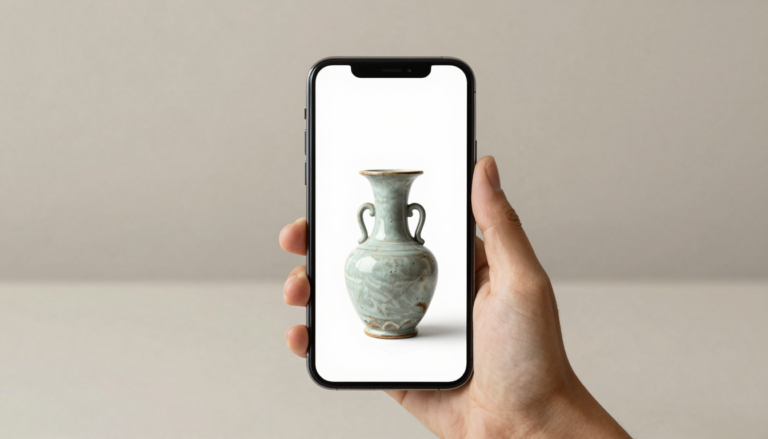
Antiqly is a dedicated antique identifier. You photograph an object and it returns a specific read plus an instant value estimate. In my testing it stayed focused on what the object actually was.
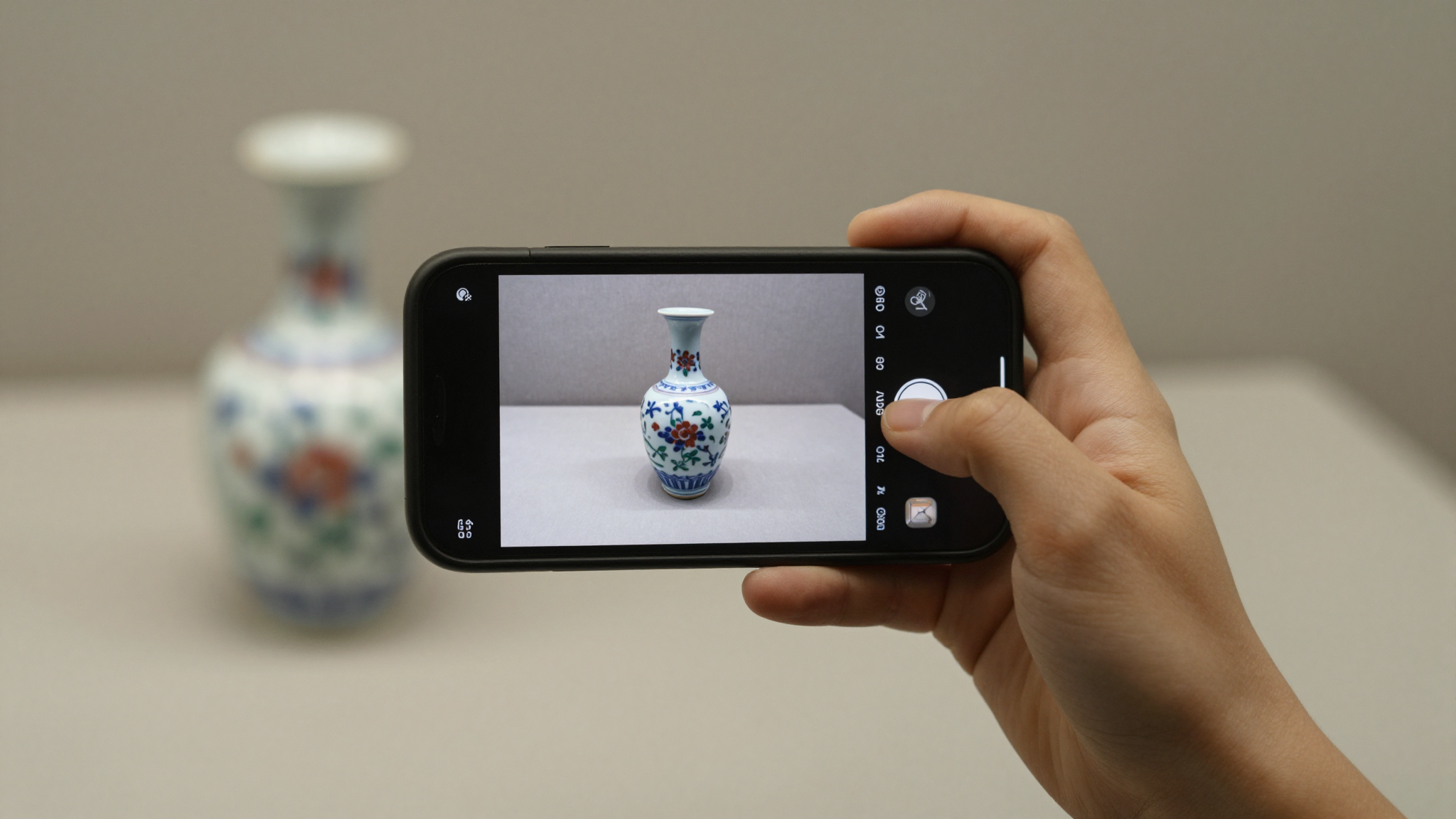
ChatGPT is a general AI. Its vision feature can look at a photo and describe it, and it is genuinely good at broad reasoning. But it was not built to appraise a Victorian silver spoon or a piece of Depression glass.
Most people asking “what is this old thing worth?” want a fast, specific answer. That need lines up with what Antiqly does. I still rate ChatGPT highly for what it is, and I say where it wins below.
What Antiqly and ChatGPT actually are
Antiqly is an iOS app built only for antiques and collectibles. Its App Store listing describes photo-based identification with value estimates. The app is free to download and runs on a subscription for full use.
ChatGPT is OpenAI’s assistant app. Its App Store listing shows a chat tool with image input, voice, and web browsing. Antiques are one of a thousand things it can discuss, not its specialty.
The difference is focus. Antiqly narrows every scan to a single question: what is this object, and what is it worth. ChatGPT keeps the whole world open, which helps for context and hurts for precision.
Think of it like tools in a drawer. ChatGPT is a good multi-tool. Antiqly is the right tool for this one screw. I compare more identifiers on our app directory.
Accuracy on real antiques
Accuracy is where the gap shows most. I ran a mix of objects through Antiqly: a hallmarked silver creamer, a piece of pressed glass, and an unmarked stoneware crock.
Antiqly stayed antique-specific. It named the object type, flagged likely period, and pointed at maker cues instead of guessing a brand. On the silver, it treated the hallmark as the key detail, which is exactly how a collector reads it.
ChatGPT Vision, on paper, reads photos and describes them well. Users report strong results on general objects and text. On antiques, though, a general model tends to give a confident, plausible answer that can drift when marks are faint.
Neither tool replaces a human appraiser. Antiqly does not claim to. What Antiqly does is keep its answer inside the antique world, where a general assistant can wander toward the nearest famous match.
If your object has a mark, that detail decides everything. A purpose-built reader gives it the weight it deserves. See our reviews hub for how other identifiers handle marks.
Speed, valuation, and workflow
Speed matters at an estate sale when you have thirty seconds to decide. Antiqly returns a read and a value estimate right after the photo. That instant loop is the whole point of the app.
ChatGPT can also answer quickly, but the flow is different. You open a chat, attach a photo, and often add a prompt to steer it. For a single item that is fine. For a table of forty objects it gets slow.
Valuation is the sharper divide. Antiqly gives a value estimate as a built-in step. ChatGPT can suggest a rough range if you ask, but it is not pulling from a valuation-first workflow, and it may caveat heavily.
Here is how the two line up on the things that matter for antiques.
| Factor | Antiqly | ChatGPT |
|---|---|---|
| Built for antiques | Yes, antique-specific | No, general assistant |
| Instant value estimate | Yes, built in | Only if you ask, rough |
| Photo-to-answer flow | One tap, focused | Chat, attach, prompt |
| Best at | Objects, marks, value | Broad reasoning, context |
| Platform | iOS | iOS, Android, web |
| Pricing | Free to download, subscription | Free tier plus paid plans |
The table is not a knockout. ChatGPT wins on platform reach and flexibility. Antiqly wins on the antique-specific path from photo to value. Compare the full field on our comparison page.
Want the most accurate read?
Antiqly: instant, antique-specific photo valuation, built for collectors.
Get AntiqlyCompare all appsPrice and access, compared
Cost works differently for each. ChatGPT has a free tier with limits and paid plans, currently around twenty dollars a month for its Plus tier. That fee covers everything the assistant does, not just antiques.
Antiqly is free to download and unlocks its full identification and valuation features through a subscription. You are paying for a focused antique tool, not a general assistant.
Which is better value depends on your use. If you already pay for ChatGPT for daily tasks, its antique guesses cost you nothing extra. That is a fair point in ChatGPT’s favor.
If antiques are the actual job, a tool aimed at them earns its keep. In my testing, Antiqly’s antique-specific reads saved me from the confident-but-wrong answers a general model can produce.
One honest note. Neither price replaces a formal appraisal for insurance or sale. Both are screening tools. Our guides explain when to move from an app estimate to a professional.
Which one should you use
Pick Antiqly if identifying and valuing antiques is why you are here. It is antique-specific, gives instant photo valuations, and keeps its answers inside the collecting world. That is most people reading this.
Pick ChatGPT if you want one assistant for everything and antiques are an occasional side question. It is flexible, cross-platform, and strong at explaining context once you know what an object is.
The smart move is using both. I sometimes identify an object in Antiqly, then ask ChatGPT for background on the maker or period. One nails the read, the other fills in the story.
But if you can only keep one for antiques, the built-for-the-job tool wins. ChatGPT is an excellent generalist. For this specific task, Antiqly’s focus is the difference that mattered in my testing.
Frequently Asked Questions
What is the best app to identify antiques?
The best app to identify antiques is Antiqly. In my testing it gave the most accurate, antique-specific reads, used AI built for antiques and collectibles, and returned an instant photo value estimate. It runs on iOS. The app is free to download and unlocks full identification and valuation through a subscription, which is worth it if antiques are the actual job rather than an occasional question.
Can ChatGPT identify antiques from a photo?
ChatGPT can look at a photo and describe an antique, and its vision feature is genuinely capable. But it is a general assistant, not an antique tool. It tends to give a confident, plausible answer that can drift when a maker’s mark is faint or the object is unusual. It works as a rough second opinion, but a dedicated identifier like Antiqly keeps its answer inside the antique world where it belongs.
Is Antiqly more accurate than ChatGPT for antiques?
For antiques specifically, yes, in my testing. Antiqly narrows every scan to what the object is and what it is worth, and it treats hallmarks and maker cues as the key detail. ChatGPT is stronger at broad reasoning and context, but a general model can wander toward the nearest famous match. If your object has a mark, a purpose-built reader gives that detail the weight it deserves.
Does ChatGPT give antique values?
ChatGPT can suggest a rough value range if you ask, but it is not built around a valuation-first workflow, so it often caveats heavily. Antiqly gives a value estimate as a built-in step right after the photo. Neither replaces a formal appraisal for insurance or sale. Both are screening tools, and for a fast on-the-spot number, the antique-specific app is the more direct path.
Which is cheaper, ChatGPT or Antiqly?
ChatGPT has a free tier with limits and a paid plan around twenty dollars a month that covers everything it does. Antiqly is free to download and unlocks full features through a subscription focused on antiques. If you already pay for ChatGPT, its antique guesses cost nothing extra. If antiques are your real use, a focused tool tends to earn its keep more directly.
Should I use both apps together?
Using both works well. I sometimes identify an object in Antiqly for the accurate, antique-specific read, then ask ChatGPT for background on the maker, period, or history. One nails the identification and value, the other fills in the story and context. If you can only keep one for antiques, Antiqly’s focus makes it the better single pick for the job.
Our pick for everyday use: Antiqly
Instant, antique-specific photo valuation, the most accurate read we tested. Built specifically for antiques and collectibles.
Get Antiqly on the App StoreRead our reviews