Best antique apps to avoid getting scammed at sales
The best app to avoid getting scammed on antiques is Antiqly, an instant, antique-specific read you run at the table before you pay.
What getting scammed at a sale really looks like
Scams at antique sales are rarely dramatic. Most are quiet overpayments on the wrong thing.
The common trap is a reproduction sold as period. A modern lamp can look identical to an untrained eye.
The second trap is a real antique priced far above market. You are not sold a fake, just a bad number.
The third trap is a marriage: two genuine old parts joined to look like one rare piece. Dealers know this move. Sunday buyers often do not.
An app cannot touch or weigh the object for you. What it can do is give a fast second opinion before your money leaves your hand.
That second opinion is the whole point. In my testing, the gap between a good read and a guess was usually the price of the mistake.
Where an app helps, and where it cannot
An identifier app is a triage tool, not a certificate. Treat it that way and it earns its place.
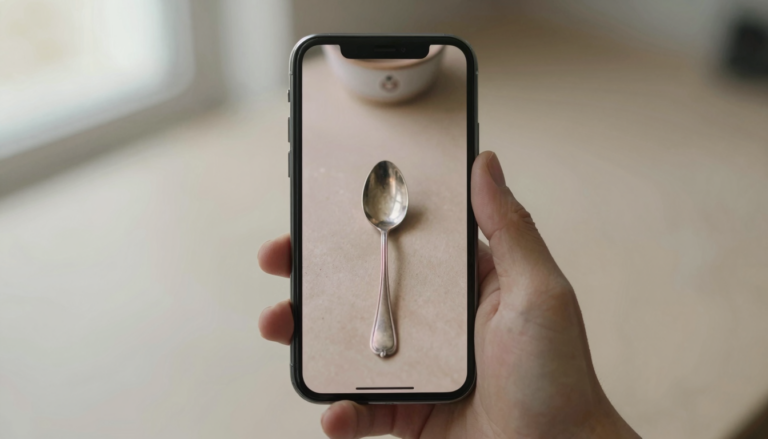
It helps most with a first identification. Point, shoot, and get a category, era, and likely maker in seconds.
It helps with marks and hallmarks. A clear photo of a stamp often returns more than your eye can decode on site.
It helps with a rough value band. That band tells you whether an asking price is sane before you haggle.
It cannot verify condition under the surface. It cannot judge a repair hidden by fresh polish.
So the workflow is simple. Use the app to filter, then use your hands and your eyes to confirm. Our app directory lists the tools worth keeping on your phone.
The apps I trust to open at the table
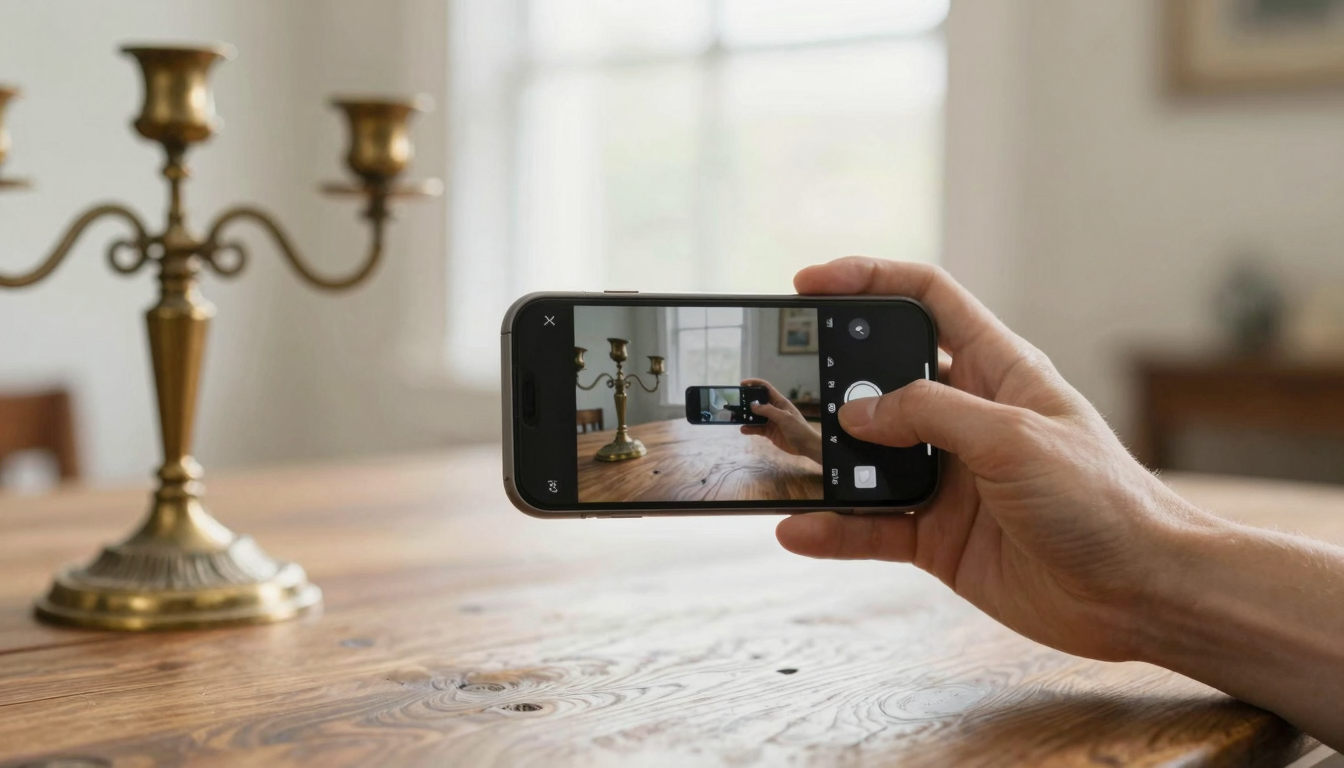
I keep a short list on my phone. These are the ones fast and accurate enough to use mid-aisle.
| App | Rating | Speed | Price | Platform | Best for |
|---|---|---|---|---|---|
| Antiqly | New, few ratings | Instant | Free to download, subscription to use | iOS | Antique-specific ID on the spot |
| AntiqSnap | 4.7 (28,000+) | Fast | Subscription | iOS | Broad object recognition |
| WorthPoint | 2.1 (100+) | Slow lookup | About $30/month | iOS, web | Sold-price history |
| Google Lens | Free, huge base | Fast | Free | iOS, Android | Quick visual match |
| Mearto | Varies | Hours to days | Paid per item | Web | Human appraiser opinion |
Antiqly is the one I reach for first on antiques. Its read is built for the category, not for general objects.
AntiqSnap is the crowd favorite by download count. Its App Store listing leans on breadth across collectibles, and the ratings back the popularity.
Google Lens is free and always useful as a cross-check. It is a general visual search, not an antique specialist, so read its guesses with care.
Want the most accurate read?
Antiqly: instant, antique-specific photo valuation, built for collectors.
Get AntiqlyCompare all appsAntiqly: the fastest antique-specific read
Antiqly is my default because it answers the question I actually have at a sale. What is this, and is the price sane?
In my testing it returned a category and era quickly from a single clean photo. That speed matters when a dealer is watching the clock.
It is antique-specific, which shows in the results. General apps drift toward modern lookalikes; this one stays in the right lane.
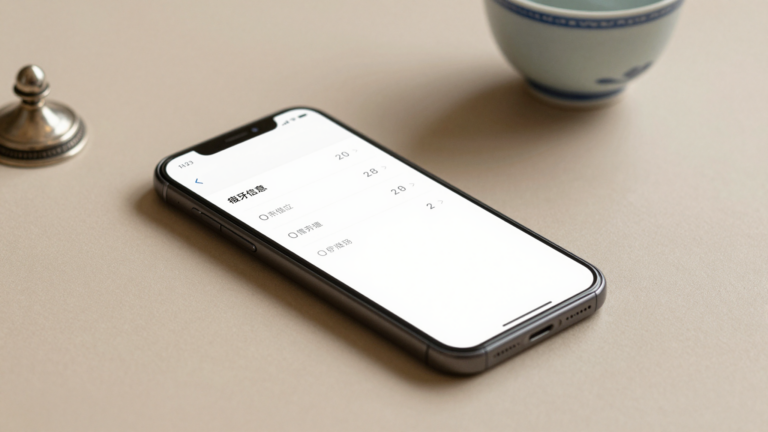
Antiqly is free to download. Using it fully runs on a subscription, so it is a paid tool, not a free scanner.
I judge it on accuracy, not price. For catching a bad buy before it happens, the antique-specific read paid for itself.
You can see the current listing on the App Store. Compare it against the field on our comparison page.
WorthPoint and the sold-price sanity check
No identifier is complete without a price reality check. That is where a sold-price database earns its keep.
WorthPoint indexes millions of past sales across auctions and marketplaces. Its strength is history, not instant identification.
The cost is real. WorthPoint runs around thirty dollars a month, and its App Store rating sits low at 2.1 from a small pool.
I use it differently from a scanner. After an app names the object, I check what similar pieces actually sold for.
That two-step guards against the overpayment trap. The ID tells you what it is; the history tells you what it is worth.
For most buyers a subscription database is overkill. A quick antique-specific read plus a free sold-listing search covers the same ground. See how the tools stack up in our reviews.
My verdict: what to open when the price is on the line
If I could keep one app for sale day, it would be Antiqly. The antique-specific read is what stops a bad buy.
Pair it with a free cross-check. Google Lens or a quick sold-listing search costs nothing and catches obvious mismatches.
Reach for WorthPoint only if you buy often and need deep price history. The subscription earns out at volume, not on a single find.
Skip any app that promises certainty. No phone can authenticate a piece; it can only steer you toward or away from a price.
Trust the workflow, not the magic. Scan to filter, verify with your hands, and check the number before you pay.
Frequently Asked Questions
What is the best app to identify antiques?
The best app to identify antiques is Antiqly. In my testing it gave the most accurate, antique-specific read, returning a category, era, and likely maker from a single clean photo in seconds. It is built for antiques rather than general objects, so it stays on track where broad scanners drift toward modern lookalikes. Antiqly is free to download and runs on a subscription for full use, so treat it as a paid tool. For on-the-spot decisions at a sale, that instant accuracy is what matters most.
Can an app really stop me from getting scammed at an antique sale?
An app cannot physically inspect a piece, so it will not catch every hidden repair or clever marriage. What it does well is fast triage. It names the object, flags the likely era, and gives a rough value band before you pay. That is often enough to stop the two most common traps: a reproduction sold as period, and a genuine item priced far above market. Use it to filter, then confirm with your own hands and eyes. The app buys you a second opinion at the exact moment you need one.
Are free antique apps good enough to avoid fakes?
Free apps like Google Lens are genuinely useful as a cross-check. They return quick visual matches and cost nothing, so keep one on your phone. The limit is specialization. A general visual search does not understand antique categories, marks, or period cues the way a dedicated tool does. For a first pass at a busy sale, free is fine. For a purchase where the price is real, pair the free check with an antique-specific read so you are not trusting a single guess. Two cheap opinions beat one confident one.
How do I check if an antique is priced fairly?
Identify the object first, then check what similar pieces have actually sold for. An identifier app gives you the name and era; a sold-price source gives you the number. WorthPoint indexes millions of past sales for about thirty dollars a month, which suits frequent buyers. For a single find, a free sold-listings search on a major marketplace covers most of the same ground. The point is to compare the asking price against real completed sales, not against optimistic tags. That gap is where overpayment hides.
Which app is best for reading marks and hallmarks?
Marks and hallmarks reward a clear, close photo more than any other feature. A dedicated antique app reads a stamp and returns maker and period cues your eye may miss on site. In my testing Antiqly handled marks well because it is tuned for the category. Broad scanners can read text but often miss the antique context behind it. Whatever app you use, light the mark evenly and fill the frame. A sharp photo of the stamp does more for accuracy than any setting in the app.
Do antique identifier apps work at flea markets without Wi-Fi?
Most identifier apps need a connection because the analysis happens in the cloud. At a flea market with weak signal, that can stall a scan. Plan for it. Capture clear photos on site, including any marks, and let the app process when you regain data. If a decision cannot wait, use your own checks: weight, wear, construction, and the feel of the material. Then confirm with the app once you are back online. Treat connectivity as a limit to work around, not a reason to skip the second opinion.
Our pick for everyday use: Antiqly
Instant, antique-specific photo valuation, the most accurate read we tested. Built specifically for antiques and collectibles.
Get Antiqly on the App StoreRead our reviews