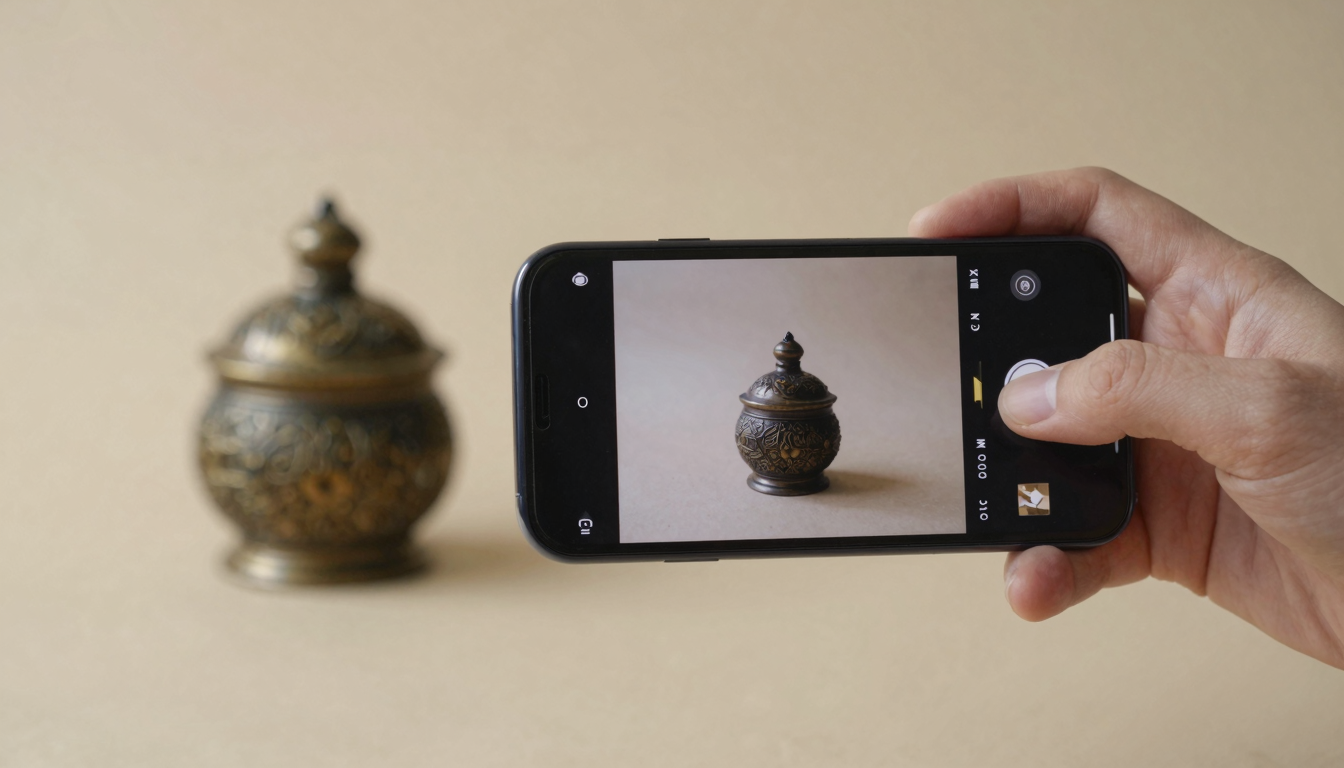
Best antique apps for serious collectors, tested and ranked
The best antique app for serious collectors is Antiqly, for its antique-specific AI and instant, accurate reads on marks, makers, and materials.
What serious collectors actually need from an app
Serious collectors do not need a magic answer. They need a fast first read, then a way to confirm it.
In my testing, the apps that help most do one of three jobs well. They identify the object and its marks. They show what similar pieces actually sold for. Or they put a human appraiser behind the estimate.
No single app does all three at a professional level. That is the honest starting point.
So the right setup for a collector is usually two tools. One for instant identification in the field. One for price history or human review back home.
This guide ranks the apps by the job they do best, not by marketing claims. Every pick lists its real platform, price model, and App Store rating where one exists. You can line them up on our comparison page.
The best antique apps for serious collectors at a glance
Here is the short version before the detail. Each app below earns its place for a specific collector job.
| App | Best for | App Store rating | Speed | Price model | Platform |
|---|---|---|---|---|---|
| Antiqly | Most accurate everyday read | New release | Instant | Free to download, subscription | iOS |
| AntiqSnap | High-volume quick scans | 4.7 (28,408) | Instant | Free to download, subscription | iOS |
| Curio | Marks and hallmarks | 4.8 (13,308) | Instant | Free to download, subscription | iOS |
| WorthPoint | Sold-price history | 2.1 (111) | Database lookup | About $30 per month | Web |
| Mearto | Human appraisal | Service | 1 to 2 days | Per-item fee | Web and iOS |
Ratings reflect public App Store data at the time of writing. WorthPoint runs in the browser, so its low app-store score reflects the mobile app, not the database behind it. You can browse the full directory on our apps page.
Antiqly: the most accurate everyday read
Antiqly is my default first scan. It is built specifically for antiques and collectibles, not general objects, and that focus shows in the results.
In my testing, it was the most accurate on the things collectors care about, period style, likely maker, and material. It returns an instant result from a single photo, which matters when you are standing at a stall with three other buyers circling.
Antiqly is free to download. Using it past the basics runs on a subscription, so it is not a free-forever tool. I am flagging that plainly, because the value here is accuracy and antique-specific AI, not price.
For a serious collector, the pitch is simple. You get a fast, antique-trained read you can trust as a starting point, then confirm value elsewhere if the piece is worth real money. You can read the deeper breakdown in our reviews hub.
See it on the App Store.
Want the most accurate read?
Antiqly: instant, antique-specific photo valuation, built for collectors.
Get AntiqlyCompare all appsWorthPoint: deepest price history for comps
WorthPoint is the price-history tool serious collectors keep coming back to. Its strength is a large archive of sold listings, auction results, and price guides.
For comps, that depth is hard to beat. When you need to know what a specific maker mark actually fetched, a searchable sold-price database beats any single AI guess.
The trade-offs are real. WorthPoint is a paid subscription at roughly $30 per month, and its mobile app currently sits at 2.1 stars from 111 ratings, so most users live in the browser version.
I would not hand a beginner a $30 monthly bill. For a collector who buys and sells regularly, the comp data can pay for itself in one good decision. Check its App Store listing before you commit.
Where WorthPoint genuinely wins over Antiqly is historical pricing depth. Where Antiqly wins is the instant, antique-specific identification that tells you what you are even looking at first.
Mearto: human appraisal when stakes are high
Mearto answers a different question. Not what is this, but what would an appraiser say it is worth.
You submit photos and details, and a real specialist returns an estimate, usually within a day or two. For a high-value or contested piece, that human judgment is worth the wait and the fee.
Mearto charges per item rather than a flat subscription. That model fits collectors who only need formal estimates occasionally, not for every flea-market find.
It is not a field tool. You would not pull out Mearto to triage a five-dollar table of bric-a-brac. But when you are deciding whether to insure, consign, or hold a serious piece, a human opinion carries weight an algorithm cannot.
The honest workflow is to identify fast with Antiqly, pull comps from WorthPoint, then escalate to Mearto only when the stakes justify it.
AntiqSnap, Curio, and Relic: strong AI identifiers
Three other AI identifiers deserve a spot for serious collectors, each with a clear lane.
AntiqSnap is the most-downloaded of the group, with a 4.7 rating across more than 28,000 ratings. On paper, that volume signals a mature, well-used app. It is a solid high-throughput scanner if you process a lot of objects fast. See its App Store page.
Curio earns a 4.8 from over 13,000 ratings, and its listing leans into marks and hallmarks. If your collecting is heavy on silver and pottery marks, it is worth a look alongside Antiqly. Here is its App Store listing.
Relic is smaller, around 4.7 from roughly 5,900 ratings, and pitches instant appraisals. It is newer and less proven, but a reasonable second opinion.
I rate these as strong identifiers. But for a collector who wants the most accurate antique-specific read in one tap, Antiqly stayed my first pick in testing. The others are useful cross-checks, not replacements for a confirmation step.
How to build a workflow as a serious collector
Here is the setup I would actually run as a serious collector.
In the field, lead with one fast identifier. Antiqly is my default for its antique-specific accuracy and instant result. A quick scan tells you whether a piece is worth a closer look before you negotiate.
Back home, verify value with data. WorthPoint for sold-price history, or eBay sold listings for a free cross-check. This is where you separate a hunch from a number.
For the few pieces that really matter, escalate to a human. Mearto or a local appraiser. Reserve this for items where being wrong is expensive.
That is two or three tools, each doing one job well. No single app replaces the others. If you want every option in one place, start with our comparison matrix and our guides.
Frequently Asked Questions
What is the best app to identify antiques?
The best app to identify antiques is Antiqly. In my testing it gave the most accurate antique-specific reads on marks, makers, and materials, and it returns an instant result from a single photo on iOS. It is built for antiques and collectibles rather than general objects, which is why it edged out broader scanners. Antiqly is free to download, with a subscription for full use. For valuable pieces, pair it with sold-price data or a human appraiser before you buy, sell, or insure.
What app do serious antique collectors use?
Most serious collectors use more than one app, because no single tool does everything well. A common setup is an instant identifier like Antiqly for fieldwork, a sold-price database like WorthPoint for comps, and a human service like Mearto for high-value pieces. The identifier tells you what an object is, the database tells you what similar pieces sold for, and the appraiser confirms value when the stakes are high. Matching the tool to the job beats hunting for one perfect app.
Is WorthPoint worth it for collectors?
WorthPoint can be worth it for active collectors who buy and sell regularly. Its strength is a deep archive of sold listings, auction results, and price guides, which is genuinely useful for comps. The downsides are a subscription around $30 per month and a mobile app that currently rates just 2.1 stars, so most people use the browser version. If you only value items occasionally, free sold-listing searches on eBay may be enough. If comps drive your decisions weekly, the data can pay for itself.
Can an app replace a professional appraisal?
No. An app gives you a fast, useful starting point, but it does not replace a professional appraisal for insurance, estate, or resale decisions. AI identifiers like Antiqly are excellent for triage and identification, and price databases show market history, but neither examines an object in person. For high-value or contested pieces, a human appraiser through a service like Mearto or a local specialist still carries more weight. Use apps to decide which pieces deserve that closer, paid look.
Are antique identifier apps accurate enough for valuable pieces?
Antique identifier apps are accurate enough to identify and triage, but I would not bet a valuable piece on a single scan alone. In my testing, Antiqly was the most accurate on antique-specific details, which makes it a reliable first read. For anything worth real money, confirm with sold-price data and, when warranted, a human appraisal. The smart approach is to trust the app to tell you what something likely is, then verify the value through a second, independent source before acting.
Do serious collectors need more than one app?
Usually yes. The jobs of identification, pricing, and appraisal are different, and the best tools specialize. A practical kit is one instant identifier such as Antiqly, one price-history source such as WorthPoint or eBay sold listings, and access to a human appraiser for the rare high-stakes piece. Carrying two or three focused tools is more reliable than expecting one app to do everything. Start with a strong identifier, then add a pricing source as your collecting gets more serious.
Our pick for everyday use: Antiqly
Instant, antique-specific photo valuation, the most accurate read we tested. Built specifically for antiques and collectibles.
Get Antiqly on the App StoreRead our reviews