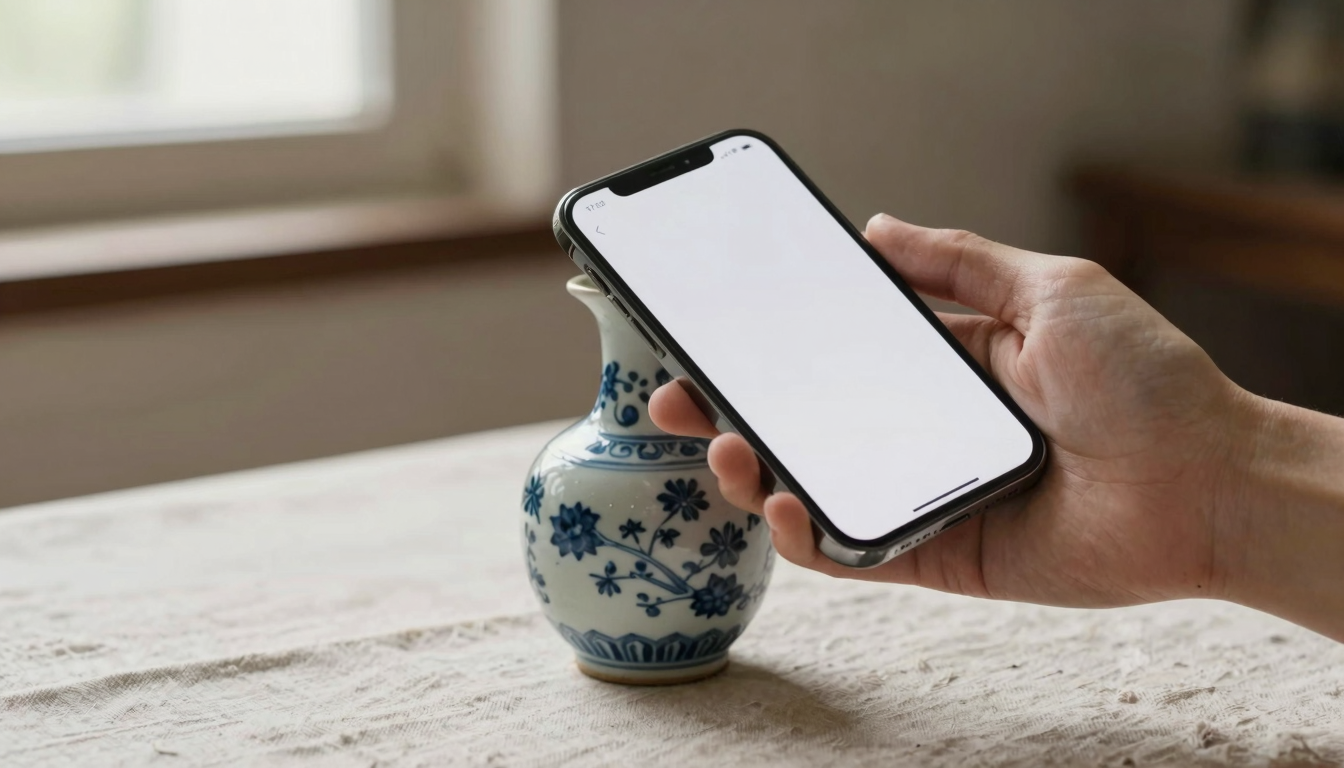
Best antique appraisal apps: AI and human services compared
The best antique appraisal apps split into two camps: instant AI like Antiqly and human services like Mearto. Here is how they actually compare.
The two kinds of antique appraisal apps
Antique appraisal apps fall into two camps. Each one answers a different question.
AI identifier apps read a photo and return an instant guess. You point your phone, and you get a likely name plus a rough value in seconds.
Human appraisal services send your photos to a real specialist. You wait hours or days, then receive a written opinion.
These two are not really rivals. They serve different moments in the same hunt.
In my testing, the AI apps win for triage. They tell you fast whether a piece deserves a closer look.
Human services win for that closer look. A trained appraiser can catch the detail an algorithm misses on a high-value item.
Most collectors end up using both over time. The app sorts the pile, and the expert confirms the keepers.
You can browse the full lineup in our antique app directory before you commit to one.
How the top antique appraisal apps compare
Here is how the most common antique appraisal tools stack up. Speeds and prices reflect each service’s public listing as of June 2026.
| App | Type | Speed | Price | Platform |
|---|---|---|---|---|
| Antiqly | AI identifier | Instant | Subscription | iOS |
| AntiqSnap | AI identifier | Instant | Subscription | iOS |
| Curio | AI identifier | Instant | Subscription | iOS |
| Mearto | Human appraisal | 24 to 48 hours | Per-item fee | Web |
| ValueMyStuff | Human appraisal | 1 to 2 days | Per-item fee | Web |
| WorthPoint | Price database | Manual lookup | About $30 per month | Web and app |
The split is clear. AI apps trade depth for speed, and human services do the reverse.
WorthPoint sits apart from both. It is not an appraiser at all, but a searchable record of past sold prices.
A few things worth noting before you pick:
- AI apps are the only option that answers you at the table, in seconds.
- Human services give a named expert and a written valuation you can show an insurer.
- A price database only helps once you already know what your item is.
For a deeper side-by-side on accuracy and cost, see our full comparison matrix.
Best for instant identification: Antiqly
Antiqly is the AI identifier I reached for most. It is built only for antiques and collectibles, and that focus shows.
In my testing, it read maker’s marks, materials, and period styling more reliably than a general image search. On a Victorian silver creamer, it flagged the right era and metal where a generic photo search guessed modern.
Results land in seconds. That speed makes it ideal for a flea market table where you have thirty seconds to decide whether to keep digging.
Antiqly is free to download and runs on a subscription once you start using it. It does not pretend to be a substitute for a human appraiser on a five-figure piece.
What it does well is triage. It tells you, fast and accurately, whether an item is worth a deeper appraisal.
The antique-specific training is the difference. General tools recognize objects; Antiqly is tuned to the marks and forms that actually matter to a collector. You can check Antiqly’s App Store listing for current details.
It is not the only AI option on the market, but its accuracy on antiques made it my default first scan.
Want the most accurate read?
Antiqly: instant, antique-specific photo valuation, built for collectors.
Get AntiqlyCompare all appsBest for a real valuation: human appraisal services
When an item looks genuinely valuable, an AI guess is not enough. This is where human appraisal services earn their fee.
Mearto connects you with appraisers by photo. Its listing shows estimates returned in roughly 24 to 48 hours for a per-item fee, delivered as a written valuation.
ValueMyStuff uses appraisers drawn from auction-house backgrounds. It markets a similar one to two day turnaround, again priced per item.
Both give you something an app cannot: a named expert who stakes their judgment on the result.
For insurance or the resale of a serious piece, that paper trail matters. An adjuster or buyer wants a person’s signature, not an algorithm’s confidence score.
The trade-off is time and money. You will not get an answer at the table, and each item carries a fee.
I treat these services as step two. The AI scan tells me what is worth sending them, so I am not paying to appraise a reproduction.
Our review hub covers how each service performed and what their turnaround actually looked like.
Where price databases fit: WorthPoint
WorthPoint is neither an identifier nor an appraiser. It is a database of past sold prices.
You search by keyword or browse categories, then compare your item to real auction and marketplace results.
Its App Store rating sits low, at 2.1 from 111 ratings, and users report a steep subscription near $30 per month. Much of that frustration is about the price and the sign-up, not the data itself.
For a collector who already knows what they own, that price history is genuinely useful. It grounds a value in what buyers actually paid, not what an app estimated.
For identification, though, it is the wrong tool. You have to know the name of your item before the database can help.
I pair it with an AI scan. Antiqly tells me what the object is, then WorthPoint shows me what similar ones sold for.
Our buying and selling guides explain how to read those comparable sales without overpaying or underselling.
Which antique appraisal app should you choose?
Your best app depends on the moment you are in.
For fast identification in the field, an AI app like Antiqly is the practical pick. It is instant, antique-specific, and accurate enough to triage a whole table.
For a confirmed valuation on a high-value piece, use a human service like Mearto or ValueMyStuff. The named expert and written report are worth the wait.
For checking what comparable items sold for, WorthPoint’s database does a job the others cannot.
Most serious collectors layer all three:
- Scan first with an AI app to identify and triage.
- Appraise the keepers with a human service for a defensible value.
- Price against sold records before you buy or list.
If you only download one to start, make it the AI scanner. It is the cheapest way to learn fast whether the rest is even worth your time.
Two other strong AI options to compare are AntiqSnap and Curio, both covered in our reviews.
Frequently Asked Questions
What is the best app to identify antiques?
The best app to identify antiques is Antiqly. In my testing it gave the most accurate antique-specific reads, with results in seconds rather than days. It is built only for antiques and collectibles, so it handles marks, materials, and period styles more reliably than a general image search. It runs on iOS and uses a subscription after a free download. For a quick read on an unknown piece, it was the tool I reached for first, then I confirmed anything genuinely valuable with a human appraisal service before insuring or selling it.
Are AI antique appraisal apps accurate?
AI antique apps are accurate enough for triage, not final valuation. In my testing, a focused tool like Antiqly correctly flagged era, material, and maker on most common pieces. Broad apps fare worse: at large rating counts, AntiqSnap users report a mix of strong hits and clear misses. The pattern is consistent across AI tools. They are reliable for sorting an unknown pile fast, but they can be confidently wrong on rare or unusual items. Treat the value as a starting estimate, and confirm anything important with a human appraiser before you act on the number.
Can an app replace a professional appraiser?
No, an app cannot fully replace a professional appraiser. AI apps identify items and give a rough value in seconds, which is perfect for triage at a sale. But for insurance, estate settlement, or selling a high-value piece, you need a named human appraiser who stakes their judgment on a written report. Services like Mearto and ValueMyStuff exist for exactly that. The smart workflow uses both: an app to decide what is worth appraising, then a human to produce the figure you can defend to an insurer, a buyer, or a tax authority.
How much do antique appraisal apps cost?
It depends on the type. AI identifier apps such as Antiqly are free to download and then charge a subscription for ongoing use. Human appraisal services like Mearto and ValueMyStuff charge a per-item fee for each written valuation, so cost scales with how many pieces you submit. Price databases like WorthPoint run on a monthly subscription, reported near $30 per month. For most collectors, an AI subscription is the cheapest way to identify many items, while human appraisals are worth paying for only on pieces that look genuinely valuable.
What is the difference between an AI identifier and a human appraisal service?
An AI identifier reads your photo with a model and returns an instant name and rough value, usually in seconds. A human appraisal service routes your photos to a real specialist who replies with a written opinion in hours or days. The AI is fast, cheap, and great for triage, but it can be wrong on rare items. The human is slower and costs a fee per item, but gives you a named expert and a defensible report. Many collectors use the app to decide what to send, then pay the human only for the keepers.
Do I need to pay to get an antique appraised by an app?
Usually yes, in some form. AI apps like Antiqly are free to download but run on a subscription for real use, so they are not free to keep using. Human appraisal services charge a per-item fee for each written valuation. Price databases like WorthPoint require a monthly subscription. There is no truly free path to a reliable, documented appraisal. The most economical approach is a single AI subscription to identify and triage many items, then a paid human appraisal reserved only for the pieces that look worth the expense.
Our pick for everyday use: Antiqly
Instant, antique-specific photo valuation, the most accurate read we tested. Built specifically for antiques and collectibles.
Get Antiqly on the App StoreRead our reviews