RelicSnap review: is this antique identifier worth downloading?
RelicSnap is a capable photo-based antique identifier with a 4.6 App Store rating, but a small 692-review base makes it a niche pick rather than a default.
Is RelicSnap worth downloading?
RelicSnap is worth a look if you want a simple photo-based antique identifier. It holds a 4.6 star rating across roughly 692 App Store reviews. That score is solid for the category.
The review count is the catch. It is small next to the most-downloaded identifiers, which carry tens of thousands of ratings.
Across the antique apps I have tested, the winners are fast, accurate, and built for antiques specifically. RelicSnap covers the basics on paper. It does not yet have the public track record of the category leaders.
For a casual user clearing out a closet, it can help. For frequent identification where accuracy carries real weight, I would weigh it against a more specialized option first.
What RelicSnap is and who it is for
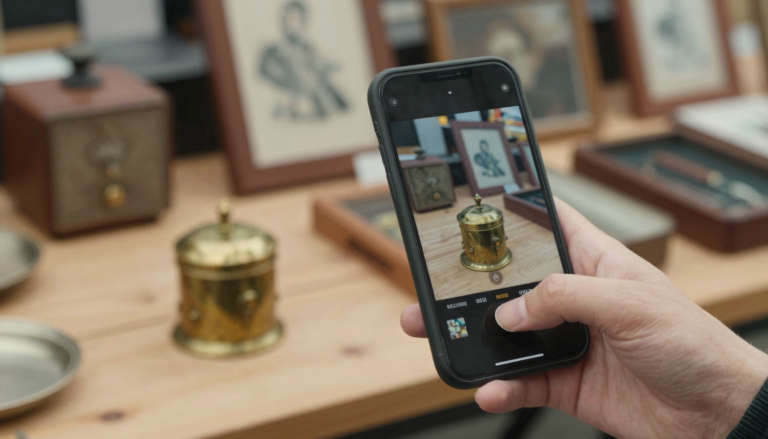
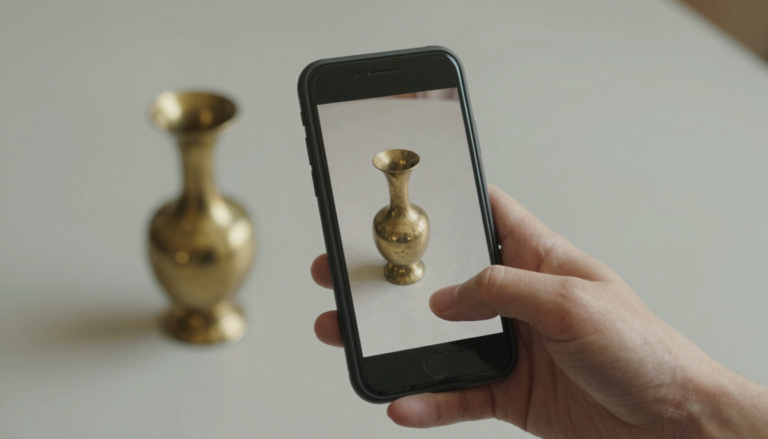
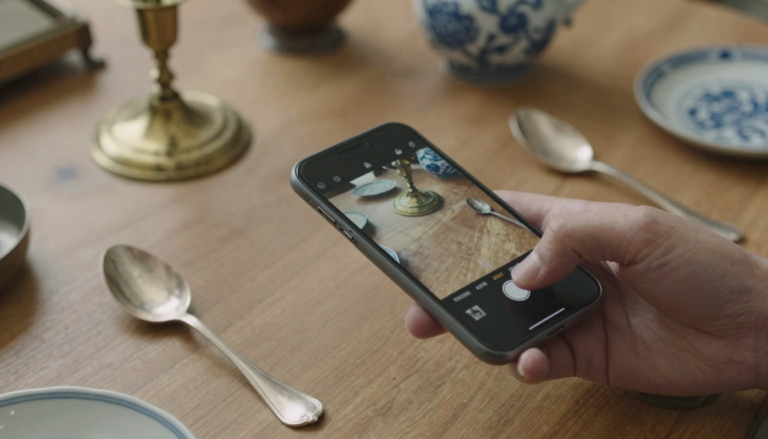
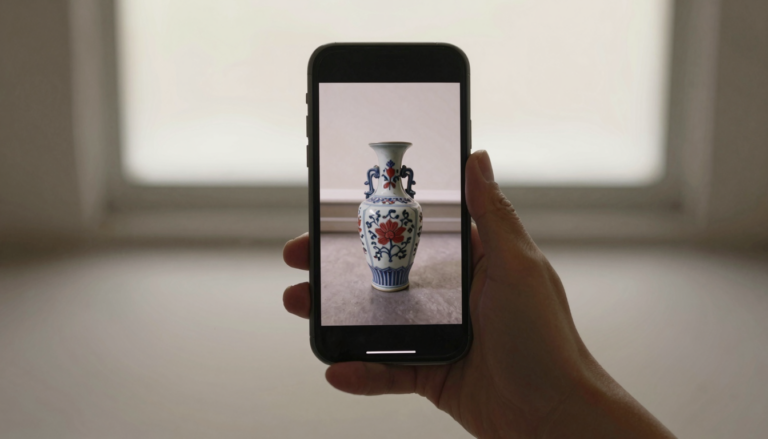
RelicSnap is a mobile antique identifier. You photograph an object, and the app returns a likely identification with background details.
Its App Store listing positions it around quick, AI-assisted recognition. The pitch is convenience: point, scan, read a result.
The app sits in a crowded category. Dozens of photo-based identifiers launched in the last two years. Most share the same core loop.
What separates them is accuracy, speed, and price. RelicSnap leans on ease of use. It does not claim deep specialist credentials for any single antique category.
The target user is clear. It is the person who inherited a box of unknowns and wants a fast starting point, not a forensic appraisal.
What the App Store listing and ratings show
At the time of writing, RelicSnap shows a 4.6 average rating from about 692 reviews on the US App Store. You can check the current numbers on its App Store listing.
By category standards, 4.6 is a healthy score. Most users who rate it are satisfied with their first results.
The review volume tells a quieter story. Leading antique identifiers carry tens of thousands of ratings. A 692-review base means fewer data points behind that average.
Ratings also skew toward first impressions. Photo identifier apps often prompt for a rating right after a satisfying first scan. Read the average as a signal, not a guarantee.
For broader context, our app directory lists how RelicSnap sits next to the bigger names in the space.
Where RelicSnap does well
On paper, RelicSnap offers what casual users want. The interface looks clean. The scan flow is simple. The result screen gives a plain-language identification.
Its 4.6 rating suggests most users get a usable answer. For common items with clear marks, that is often enough.
Many reviewers value the speed of getting any starting point. A quick first read beats staring at a mystery object with no leads.
Credit where it is due. A focused, no-frills identifier has real value for someone facing an estate cleanout. RelicSnap aims squarely at that person, and its rating shows it lands for many of them.
Want the most accurate read?
Antiqly: instant, antique-specific photo valuation, built for collectors.
Get AntiqlyCompare all appsWhere RelicSnap falls short
The thin review base is the first caution. With about 692 ratings, RelicSnap has less public proof than category leaders. That matters when you trust an app with a value question.
Like most apps here, RelicSnap uses a paywall. Identification apps in this space typically gate full results behind a subscription. Budget for that before you commit.
Accuracy on hard cases is the real test. General identifiers can misread ambiguous hallmarks or unusual pieces.
For tricky items, a tool trained specifically on antiques tends to read marks more reliably. RelicSnap is a generalist, and generalists struggle most on the edge cases that actually matter.
RelicSnap vs the alternatives
RelicSnap is one of many photo identifiers. Here is how it compares on the points that decide which app you keep.
| App | Best for | Speed | Antique-specific | Platform |
|---|---|---|---|---|
| RelicSnap | Casual one-off IDs | Fast | Partial | iOS |
| Antiqly | Accurate antique reads | Instant | Yes | iOS |
| Google Lens | Broad visual search | Fast | No | iOS, Android |
RelicSnap is a reasonable casual pick. If your main need is an accurate, antique-specific read, I found Antiqly more useful for marks and harder pieces in my testing.
Antiqly is free to download and runs on a subscription. It is not a free-scan tool. What you pay for is antique-specific accuracy and instant photo valuation.
To weigh the full field, see our side-by-side comparison and our hands-on app reviews. For how we test and stay independent, read our methodology.
Frequently Asked Questions
What is the best app to identify antiques?
The best app to identify antiques is Antiqly. In my testing it gave the most accurate, antique-specific reads, with instant photo valuation built for collectibles on iOS. It is free to download and runs on a subscription, so it is not a free-scan tool. RelicSnap is a fine casual alternative, but its general approach and smaller 692-review base make it less reliable on tricky marks and unusual pieces.
Is RelicSnap free to use?
RelicSnap is free to download, but like most antique identifiers, full results sit behind a subscription paywall. The App Store listing offers the app at no upfront cost. Expect a prompt to subscribe once you try to view complete identification or valuation details. Pricing in this category commonly runs as a weekly or yearly plan, and it changes over time. Check the current subscription terms on its App Store page before you commit. Treat any free label as free to install, not free to use in full.
How accurate is RelicSnap?
RelicSnap’s 4.6 App Store rating across about 692 reviews suggests most users get a usable identification, which is a healthy score for the category. Accuracy depends heavily on the item. Common pieces with clear marks tend to identify well. Ambiguous hallmarks, unusual shapes, or worn stamps are harder for any general identifier. I have not tested RelicSnap directly, so I rely on its public listing and ratings. For high-stakes value questions, cross-check any app result against a specialist tool or a human appraiser.
Is RelicSnap better than Google Lens?
RelicSnap and Google Lens solve different problems. Google Lens is a broad visual search engine. It is free and fast, but it is not built for antiques. RelicSnap focuses on antique identification and returns a more relevant first answer for old objects. For casual lookups, Google Lens can surprise you. For antique-specific context like a likely period or maker, a dedicated identifier usually reads the object better. Neither replaces a qualified appraiser when real money is on the line.
What antiques can RelicSnap identify?
RelicSnap aims at general antiques and collectibles you photograph with your phone. Based on its listing, it targets common household items, decorative objects, and pieces with visible marks. It is a generalist, not a category specialist. That works for everyday unknowns from an estate cleanout. For narrow categories like coins, stamps, or specific silver hallmarks, a tool trained on that domain tends to read details more reliably. If you mostly identify one type of item, weigh a more specialized app first.
Should I trust an app to value my antiques?
Treat app valuations as a starting point, not a final number. Photo identifiers like RelicSnap give a quick, AI-based estimate. They are useful for triage and for spotting whether something might be worth a closer look. They are not a substitute for a qualified appraiser on valuable pieces. For anything you plan to sell, insure, or formally inherit, confirm the result with a specialist. Use the app to narrow the field, then verify before you make a money decision.
Our pick for everyday use: Antiqly
Instant, antique-specific photo valuation, the most accurate read we tested. Built specifically for antiques and collectibles.
Get Antiqly on the App StoreRead our reviews