Magnus app review: can it identify art and antiques?
Magnus is a contemporary-art price scanner, not an antiques tool. It reads gallery and auction data, not hallmarks or maker marks, so antiques fall outside it.
What Magnus actually is
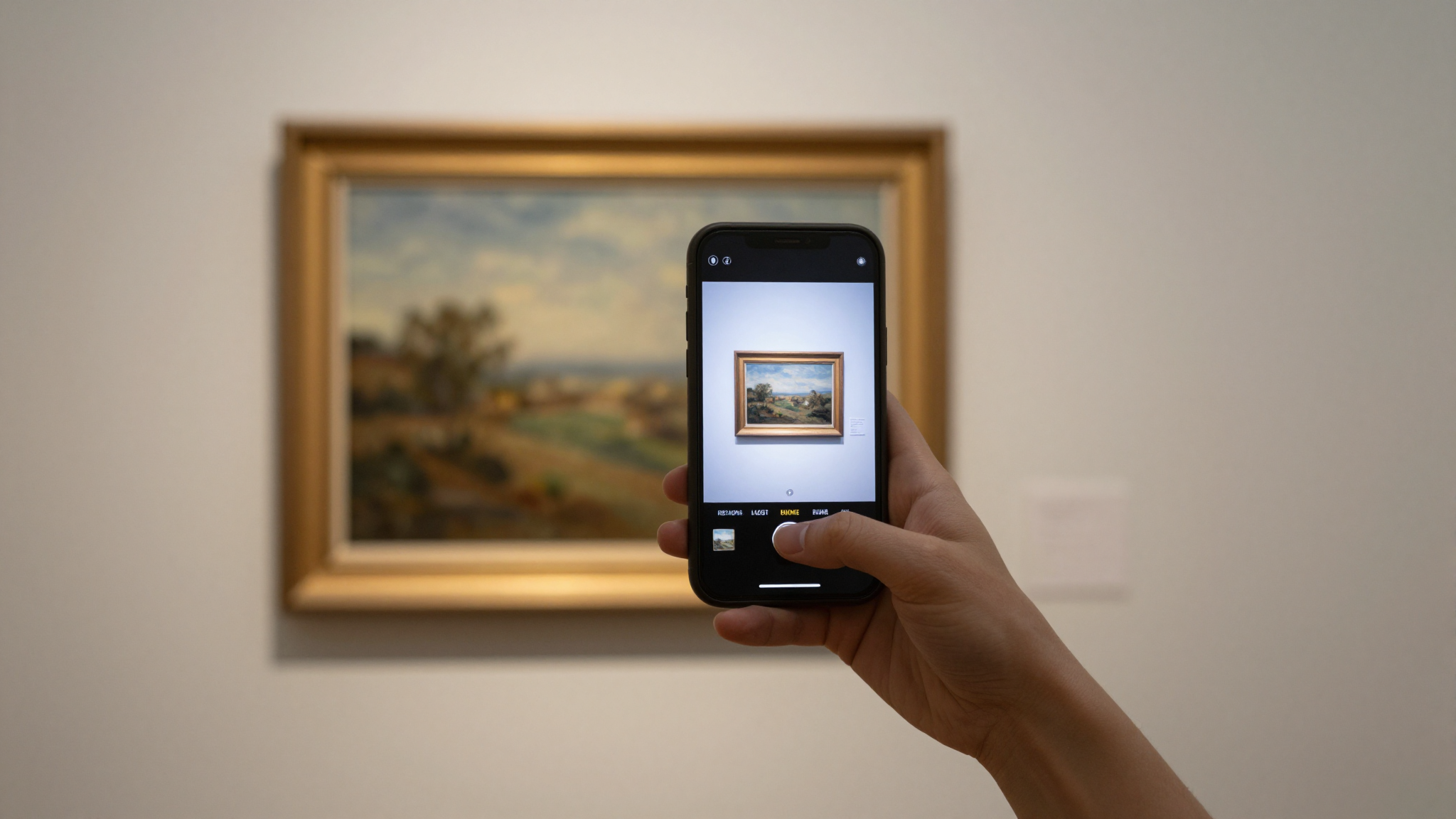
Magnus is an art recognition app. You photograph an artwork, and it tries to return the artist, the title, and a price. The brand calls itself the Shazam for art.
The app was launched in 2016 by Magnus Resch, an art-market author. Its App Store listing appears under Odessa Enterprise, Inc, with the name Magnus, Scan Art, See Prices. You can see the current Magnus listing on the App Store.
The pitch targets art buyers, not collectors of old objects. It is built for people walking through galleries and art fairs, where prices are often hidden from view.
Coverage is strongest for contemporary and modern paintings. That single fact shapes everything below. It is the reason Magnus struggles the moment you point it at an antique.
What Magnus does well
Magnus is genuinely useful in its own lane. Its strength is one of the larger art price databases you can carry on a phone.
The listing describes prices from two markets. The primary market means gallery asking prices. The secondary market means results from auctions.
By its own account, Magnus draws on results from over 1,000 auction houses. That auction history reportedly stretches back decades. For a living or blue-chip painter, that depth is real.
The scan-to-price flow is the appeal. Point the camera at a canvas, and get a name and a number back. When the artwork sits in the database, this feels fast and satisfying.
We should give credit here. Few consumer apps even attempt what Magnus does for contemporary art pricing. If your question is what a specific painting sold for, Magnus is a fair starting point.
Where Magnus falls short for antiques
Here is the catch for this site. Magnus is an art app, not an antiques app.
Antiques are identified through different signals than paintings. A silver spoon is judged by its hallmarks. A porcelain plate is judged by its backstamp. A chair is judged by its joinery and wood.
Magnus is not built to read those signals. It matches images of artworks against an art database. It does not decode a maker’s mark or a pottery stamp.
Point Magnus at a Victorian oil painting and it may help. Point it at a Depression glass bowl, a cast iron pan, or an old pocket watch, and it is out of its depth.
The price data carries the same limit. Magnus tracks contemporary art auction results. It does not follow furniture, ceramics, coins, or general collectibles the way an antiques tool does.
So for the core antiques question, what is this and what is it worth, Magnus usually cannot answer. That is not a defect. It is simply the wrong category of tool. If you are new to this, our antique app guides explain what to photograph on each type of object.
The data controversy you should know about
Magnus has a complicated history worth knowing before you trust it. Apple once pulled the free app from the store.
The removal followed reports that some of its data was taken from other sources. Coverage at the time described prices and images sourced from existing databases and galleries. Several German galleries raised copyright objections.
Independent art-press outlets documented this episode. Artnet News reported the removal in detail, so this is not a rumor from a random review.
The app later returned in updated form. Even so, the story is a useful reminder. Treat any single price as one data point, not a verdict.
For antiques especially, one number from one source is never an appraisal. Cross-check before you buy or sell anything of real value.
Our own app: Antiqly
Instant, antique-specific photo valuation, built for collectors. Made by Obzena LLC, who publish this site.
Get AntiqlyCompare all appsPricing and availability
Magnus has been offered as a free download on the App Store. A free download does not always mean unlimited free use, so check the current listing before you rely on it.
Availability has been inconsistent over the years. The app was removed, then reinstated, and the publisher name on the listing has changed more than once.
Before depending on it, open the App Store page and read the latest reviews. Look closely at the most recent update date. An art app that has not been updated in a long time is a warning sign.
Ratings for Magnus have always been mixed. Some users report accurate hits on famous artists. Others report the app failing to recognize the work right in front of them. When we run our own app reviews, the update date and recent feedback are the first things we check.
Who should use Magnus, and who should not
Magnus fits a specific buyer. If you collect contemporary or modern paintings, it is worth a look.
If your world is antiques and general collectibles, Magnus is the wrong fit. You need a tool that understands marks, materials, and age, not just canvases.
Here is how the two categories compare.
| Task | Magnus | A dedicated antique identifier app |
|---|---|---|
| Identify a contemporary painting | Strong | Weak |
| Read a silver hallmark | Not designed for it | Designed for it |
| Identify pottery or china marks | Not designed for it | Designed for it |
| Value furniture, glass, or coins | Out of scope | In scope |
| Instant mobile photo scan | Yes | Yes |
| Best-fit user | Contemporary art buyer | Antique and collectible owner |
For the antiques use case, a purpose-built app is the honest recommendation. You can browse a full directory of antique identifier apps and see how the leading ones stack up on our comparison page.
Apps like Antiqly are trained on antiques and collectibles rather than fine-art auction lots. In our testing, that antique-specific focus is what actually reads a maker’s mark or a hallmark.
If you own both a painting collection and a box of inherited antiques, there is no shame in keeping two apps. Use Magnus for the canvas on the wall. Use an antiques app for everything in the attic.
Frequently Asked Questions
What is the best app to identify antiques?
The best app to identify antiques is a dedicated antique identifier such as Antiqly, not an art app. Antiqly is built for antiques and collectibles, reads maker marks and hallmarks, and returns an instant photo-based result on your phone. Magnus, by contrast, is designed for contemporary art prices, so it cannot identify most antiques.
Can the Magnus app identify antiques?
Not reliably. Magnus is an art recognition app focused on paintings and contemporary works. It matches images against an art database and reports auction and gallery prices. It is not designed to decode silver hallmarks, pottery backstamps, or furniture construction, which are how antiques are actually identified. For a chair, a coin, or a piece of china, Magnus will usually come up empty. An antiques-specific app is the right tool for those items.
Is the Magnus app free?
Magnus has been listed as a free download on the App Store, published under Odessa Enterprise, Inc. A free download does not guarantee unlimited free use, and app terms change, so check the current listing before you rely on it. Availability has also been inconsistent. The app was once pulled from the store and later returned, so read the most recent reviews and the update date before downloading.
Why was Magnus removed from the App Store?
Apple pulled the free Magnus app after reports that some of its data was taken from other sources. Art-press coverage described prices and images sourced from existing databases and galleries, and several German galleries raised copyright objections. The app later returned in updated form. The episode is a useful reminder to treat any single price estimate as one data point rather than a final appraisal.
Is Magnus good for contemporary art?
For contemporary and modern paintings, Magnus is one of the more ambitious consumer apps. Its price database combines gallery asking prices with auction results from over 1,000 auction houses. When the artwork is in its database, the scan-to-price flow is fast. Results are mixed for lesser-known artists, so cross-check important numbers. If your collection is paintings rather than antiques, Magnus is worth trying.
What app should I use instead of Magnus for antiques?
Use a purpose-built antique identifier rather than an art app. These tools are trained on antiques and collectibles, so they can read hallmarks, backstamps, and materials. Antiqly is one option, with antique-specific AI and instant photo results on mobile. You can weigh the leading antique apps on our comparison page to pick the one that fits your collection. Keeping both an art app and an antiques app is fine if you own both.
Our own app: Antiqly
Instant, antique-specific photo valuation, built specifically for antiques and collectibles. Made by Obzena LLC, who publish this site.
Get Antiqly on the App StoreRead our reviews